PRESERVATION
Minimally invasive cavity treatment
Resin build-up
We restore decayed or broken teeth with composite resin.We preserve as much sound tooth as possible while rebuilding its shape and chewing surface.
REPRESENTATIVE CASE
CASE 01
Resin build-up for a molar
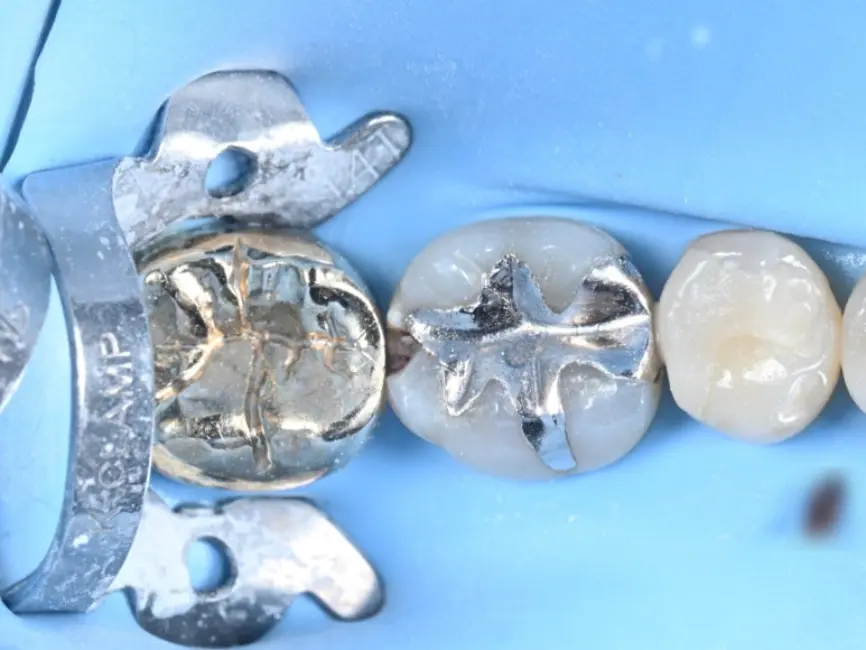
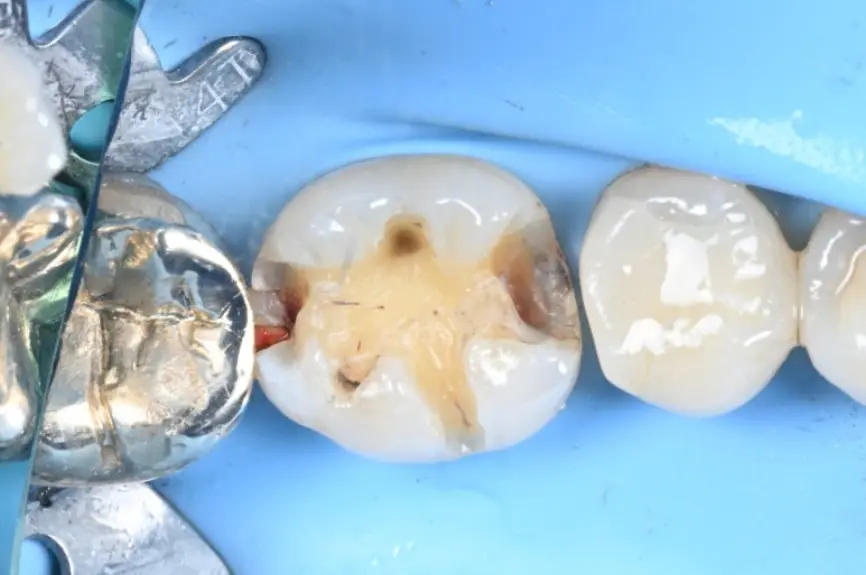
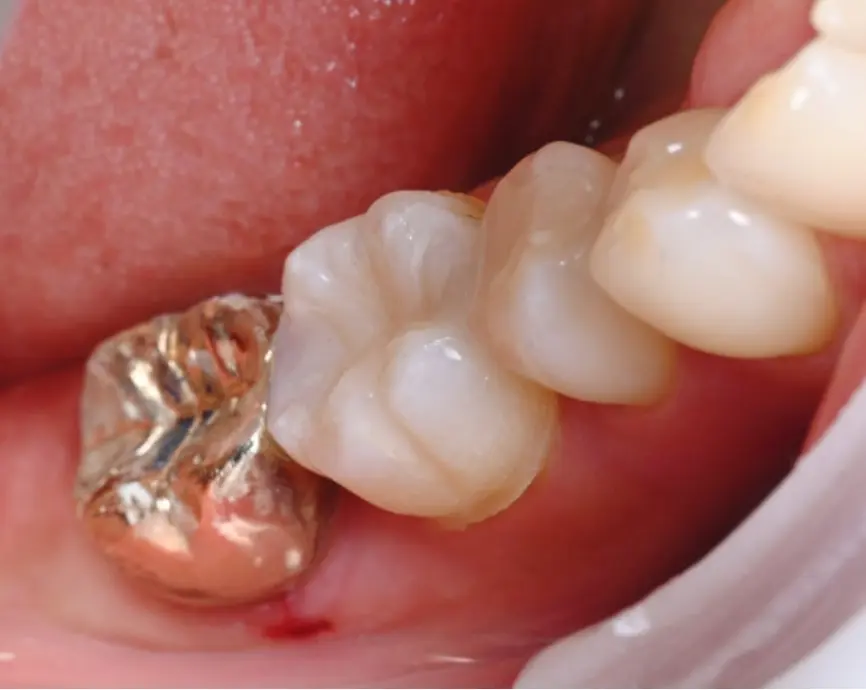
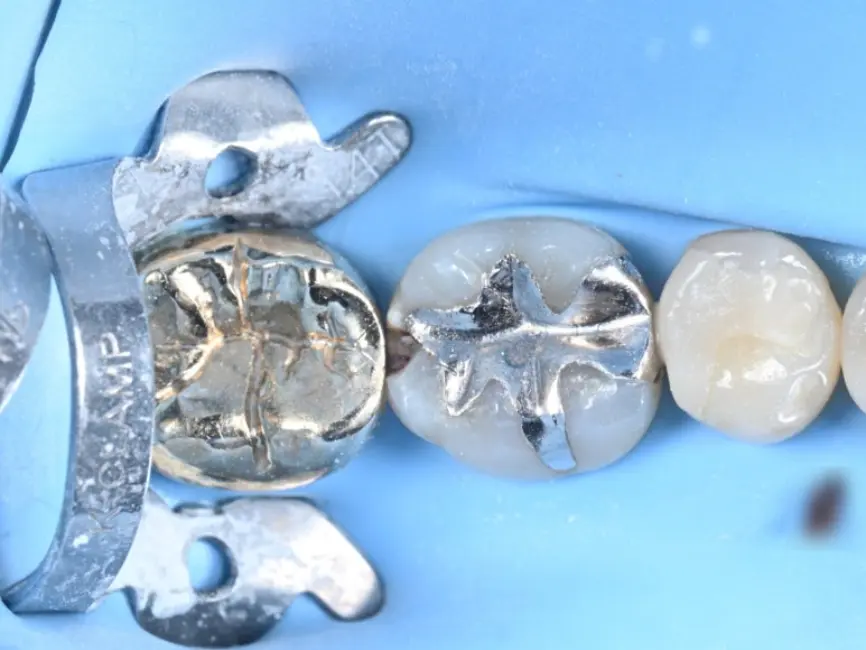
Damaged tissue was removed while preserving as much of the remaining tooth as possible.
Treatment methods and results depend on the remaining tooth, cracks, pulp health, and chewing forces.
A REAL CLINICAL CASE · ONE PATIENT'S TREATMENT
Restoring a fractured molar
without a crown
Decay beneath an old amalgam filling had caused this molar to fracture.
The pulp became exposed during decay removal, so we performed vital pulp therapy with MTA, reinforced the tooth with fiber, and completed the restoration with resin build-up. This patient did not undergo root canal treatment or receive a crown.
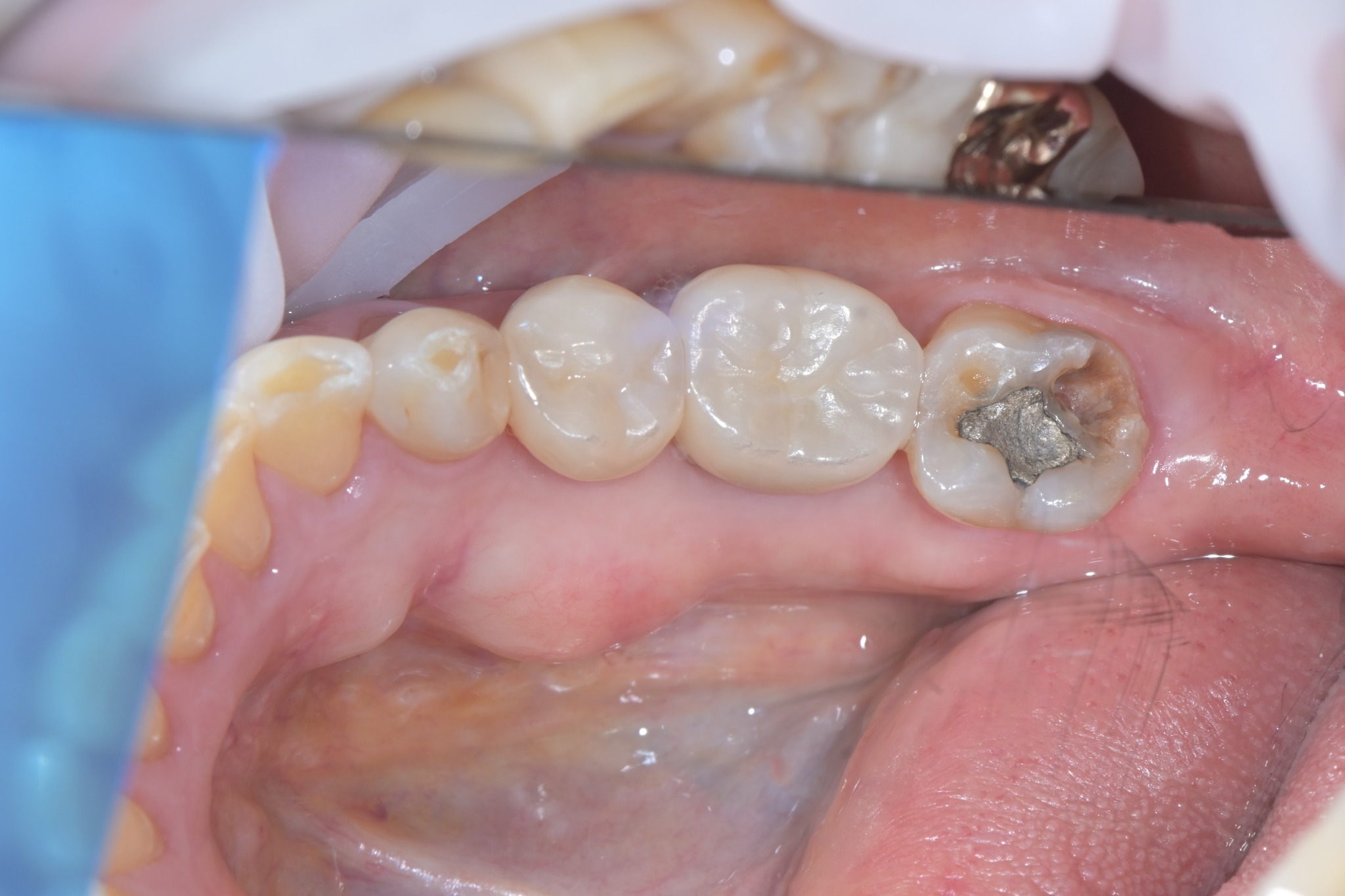
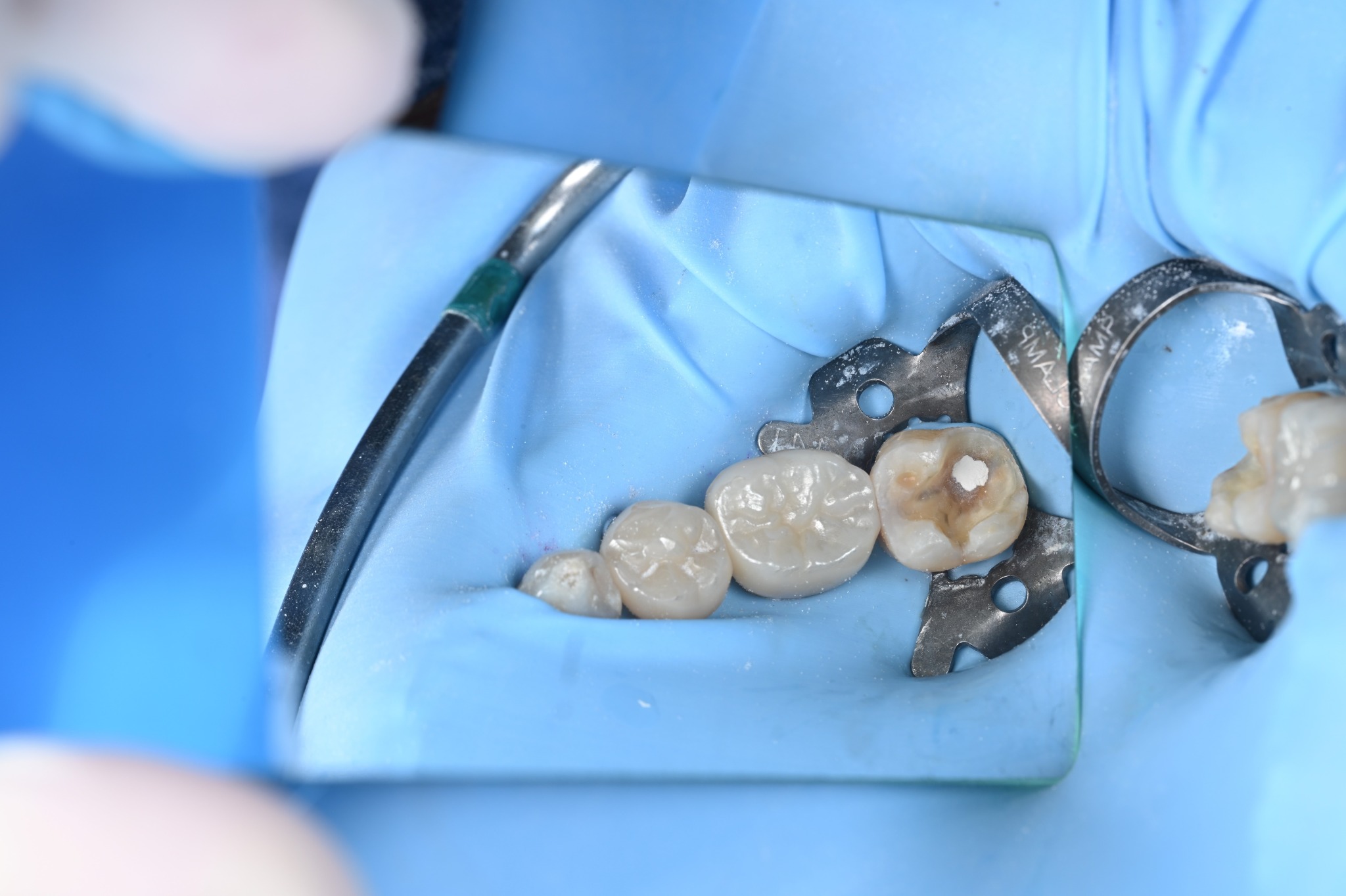
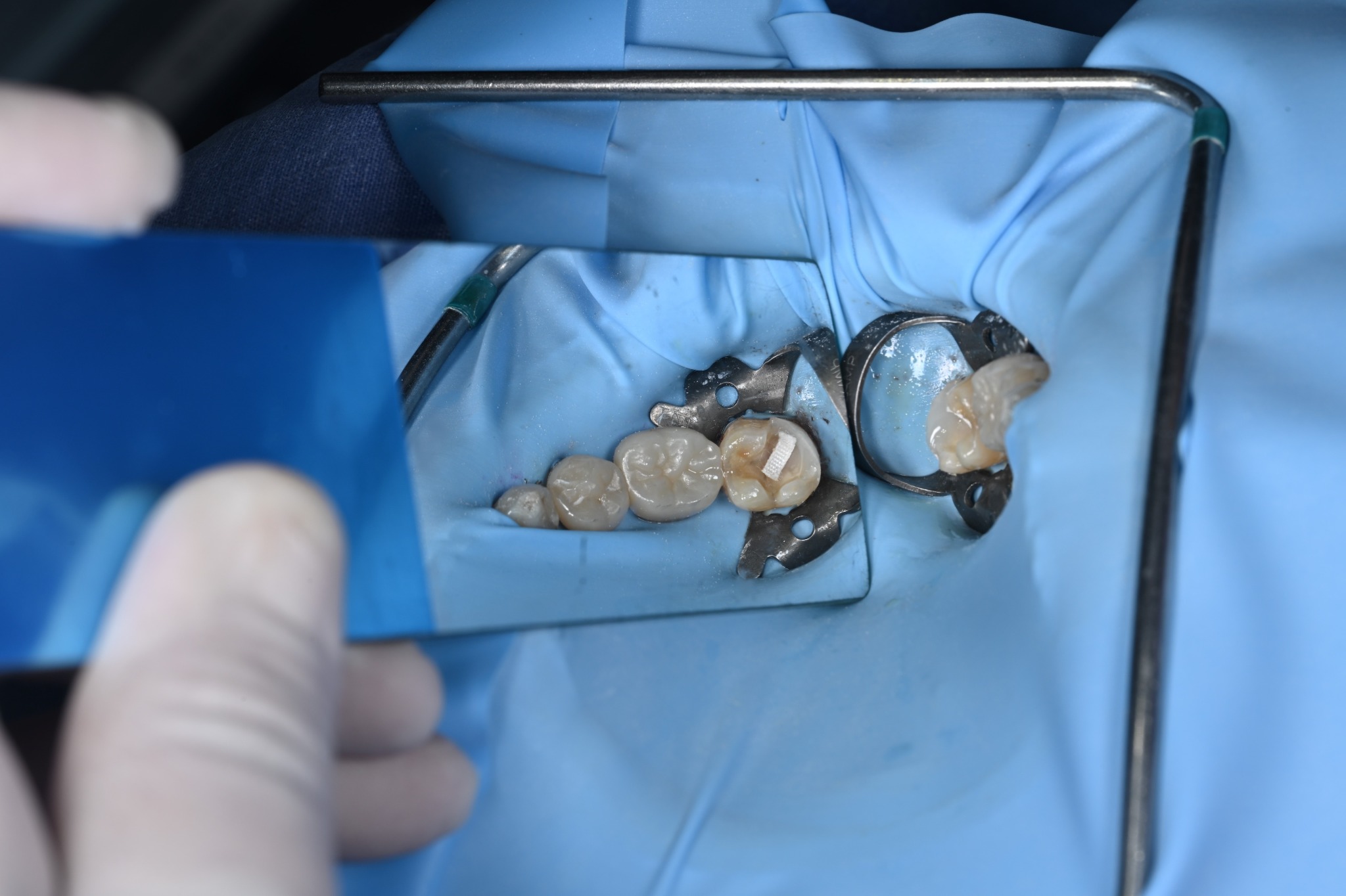
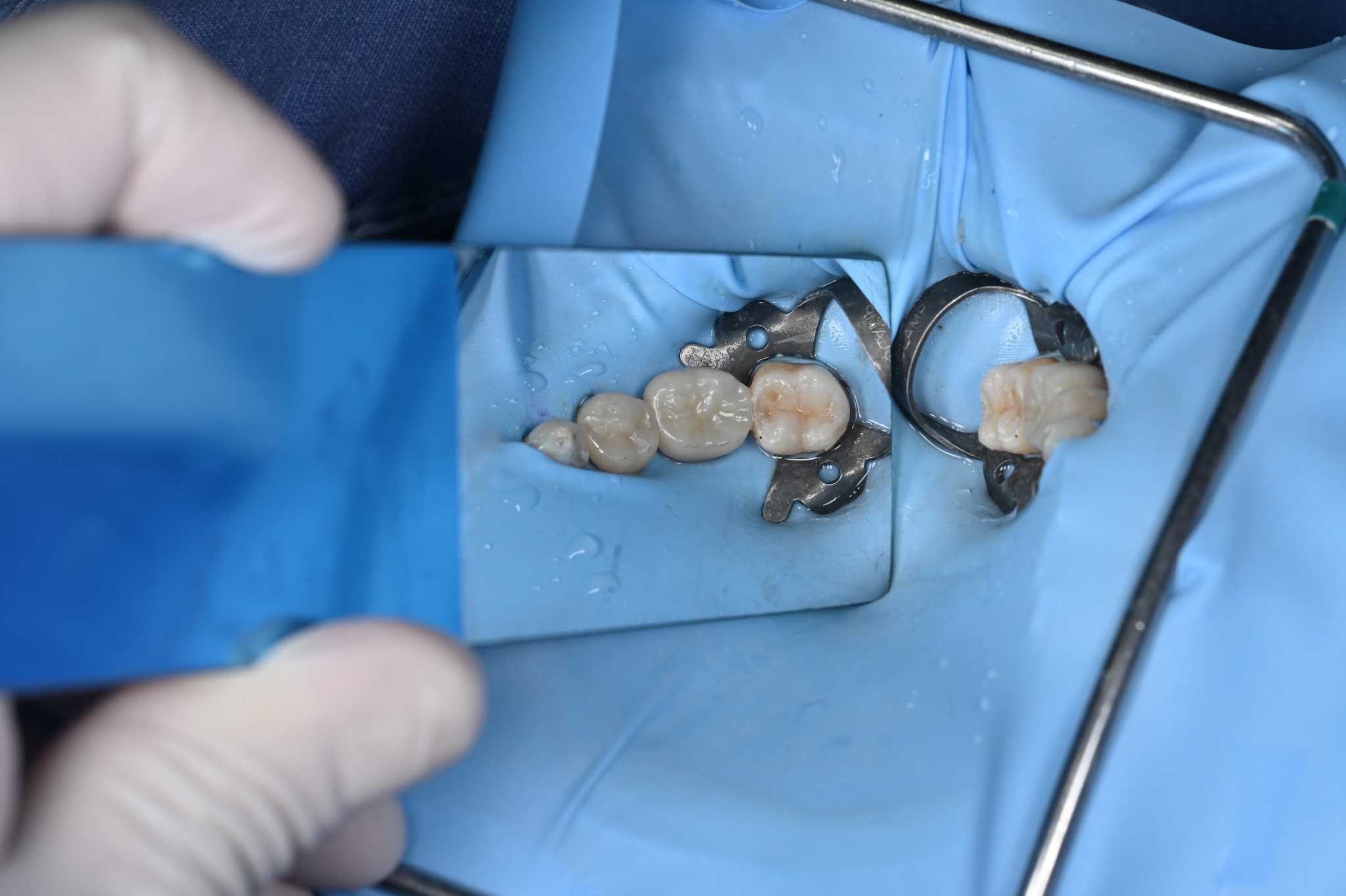
All four photographs show the same patient's treatment. An examination is needed to determine whether this approach is suitable for another tooth.
Read this patient's full clinical journal
DIAGNOSIS & TREATMENT PLANNING
Dr. Soohyun Ko
Dr. Ko personally provides care throughout this treatment.
Board-certified Specialist in Integrated Dentistry · 17th year in practice
OUR STANDARD
The resin build-up process
We examine the tooth, remove decay, and restore it with resin.
- 01
Examine the tooth and pulp
We check the depth of decay, the amount of tooth remaining, cracks, and pulp health.
- 02
Remove decay and isolate with a rubber dam
We always use a rubber dam for resin treatment because resin is very sensitive to moisture.
- 03
Reinforce where needed
If the pulp is exposed, we assess whether vital pulp therapy is suitable. We consider fiber reinforcement according to the condition of the remaining tooth.
- 04
Build up the resin and adjust the bite
We use tooth-colored resin to rebuild the shape and chewing surface, then adjust the bite.
FREQUENTLY ASKED QUESTIONS
Questions about resin build-up
Select a question to read the answer.
01What is resin build-up?
Resin build-up removes the damaged part of a decayed or broken tooth and bonds composite resin to rebuild its shape and chewing surface. Our biomimetic approach considers the structure of a natural tooth and how it handles chewing forces. We preserve as much sound tooth as possible and may reinforce weakened areas with fiber before bonding the resin.
02How does resin build-up differ from a crown?
Resin build-up directly fills and shapes the damaged part of a tooth with composite resin. A crown covers the tooth after its outer surfaces have been prepared. The two treatments differ in how much tooth is prepared and how the restoration is made.
03Can a broken molar be treated without a crown?
In the fractured molar case with an old amalgam filling shown on this page, we restored the tooth with resin build-up without a crown. After removing decay, we performed MTA vital pulp therapy and fiber reinforcement, then rebuilt the tooth's shape and chewing surface with resin. The case above shows the actual treatment photographs and steps.
04Why do you use a rubber dam?
A rubber dam is a thin rubber sheet placed around the tooth being treated. It keeps saliva away from the bonding surface and helps prevent small instruments and treatment materials from falling into the mouth.
05How do you help the resin bond to the tooth?
We prepare the tooth surface, apply adhesive, and cure it with a light. A rubber dam keeps saliva and moisture away, and we follow each material’s instructions and application times.
06Why does resin build-up cost more?
When the damage is more extensive than a small cavity, we need to rebuild the contact between teeth and the chewing surface. Isolating the tooth with a rubber dam and bonding and shaping the resin take clinical time and materials. The fee depends on the treatment scope and any reinforcement needed, and we explain it after examining the tooth.
Examination and consultation
We examine the depth of decay, cracks, and pulp health.
We explain whether resin build-up is suitable or whether a crown or root canal treatment is needed.
We also explain the expected treatment time and cost.
VISIT HYUNGJE DENTAL CLINIC
Questions before your visit?
Ask us first.
Leave a question and we will call you during clinic hours.
A diagnosis and treatment plan require an in-person examination.