Molar resin build-up in Seogwipo, Jeju
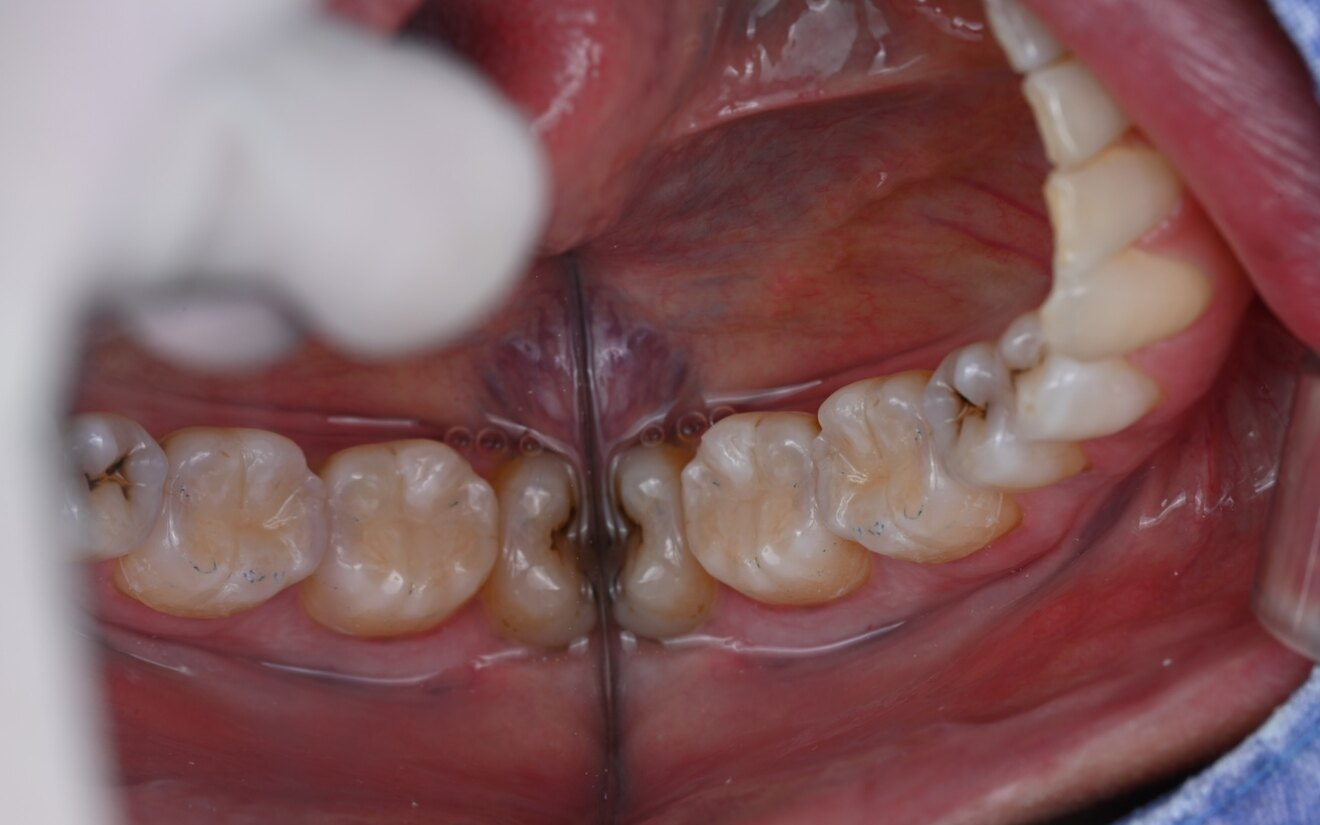
After removing old restorations and damaged tissue, we assessed the remaining tooth structure and restored the form of two molars with resin build-up under rubber dam isolation.
Treatment at a glance
- Initial findings
- After removing old restorations and damaged tissue, we assessed the remaining structure of two molars.
- Treatment plan
- We chose direct restoration while preserving tooth structure that could be retained.
- Treatment
- Under rubber-dam isolation, resin was built up in stages to replace the missing tooth form.
- After treatment
- We checked restoration shape, relationships with neighbouring teeth, contacts between the teeth and the overall bite.
What remained after the damaged areas were removed?
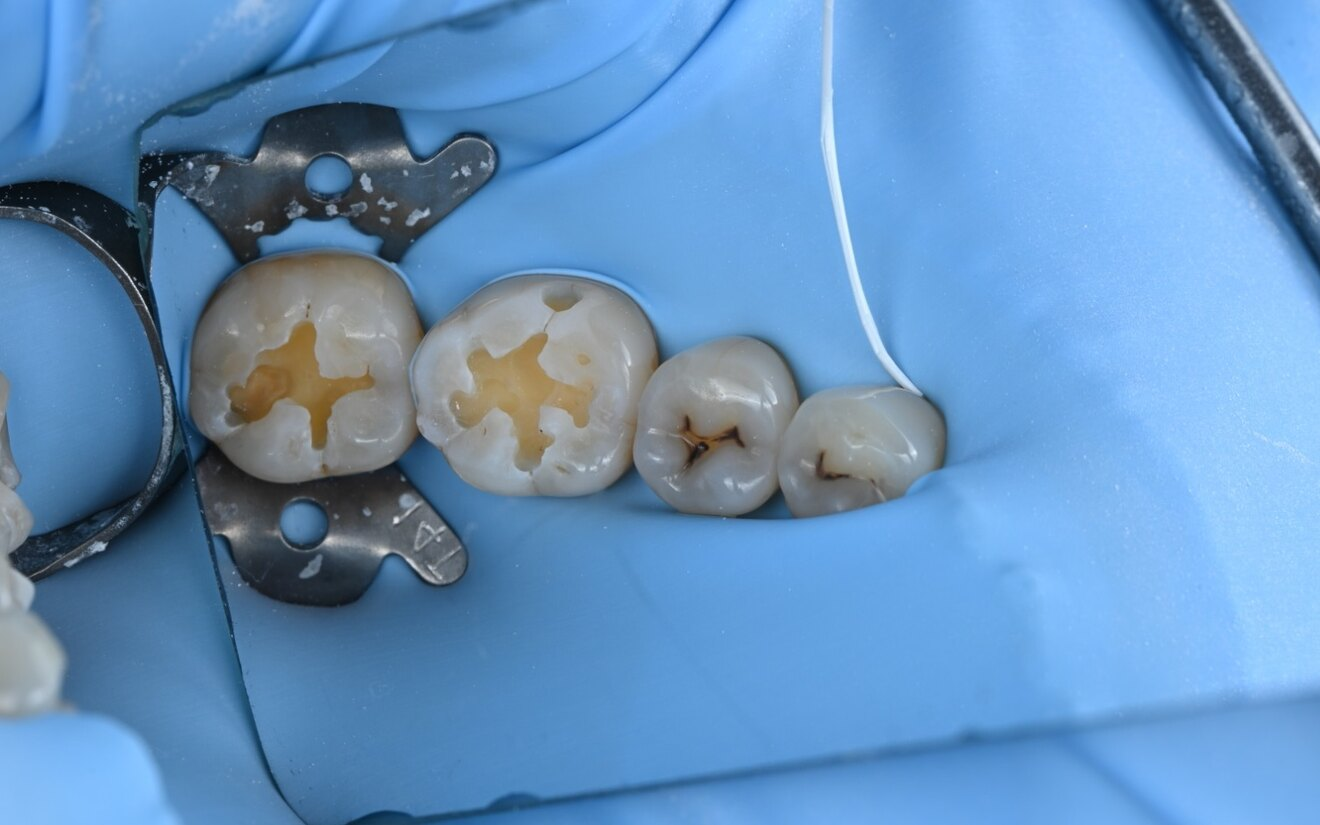
Old restorative material and damaged tissue can hide the true extent of a defect. Treatment planning therefore began after these areas were carefully removed and the remaining tooth structure could be evaluated.
The condition of the walls, cusps, contact areas, pulp, and bite all influence whether a direct restoration is appropriate.
What criteria mattered before treatment?
Preserving a tooth does not simply mean choosing the smallest restoration. The remaining structure must be capable of supporting the planned restoration and continuing to function under chewing forces.
- Amount and quality of remaining tooth structure
- Presence or suspicion of cracks
- Pulp and symptom status
- Contact with adjacent teeth
- Occlusal load and parafunctional habits
Why was direct resin build-up selected?
Direct resin build-up allows missing form to be reconstructed while retaining the tooth structure that can still be preserved.
The same approach is not appropriate for every damaged molar. The decision depends on the defect, crack risk, pulp status, and bite.
Rubber dam isolation and the restorative process
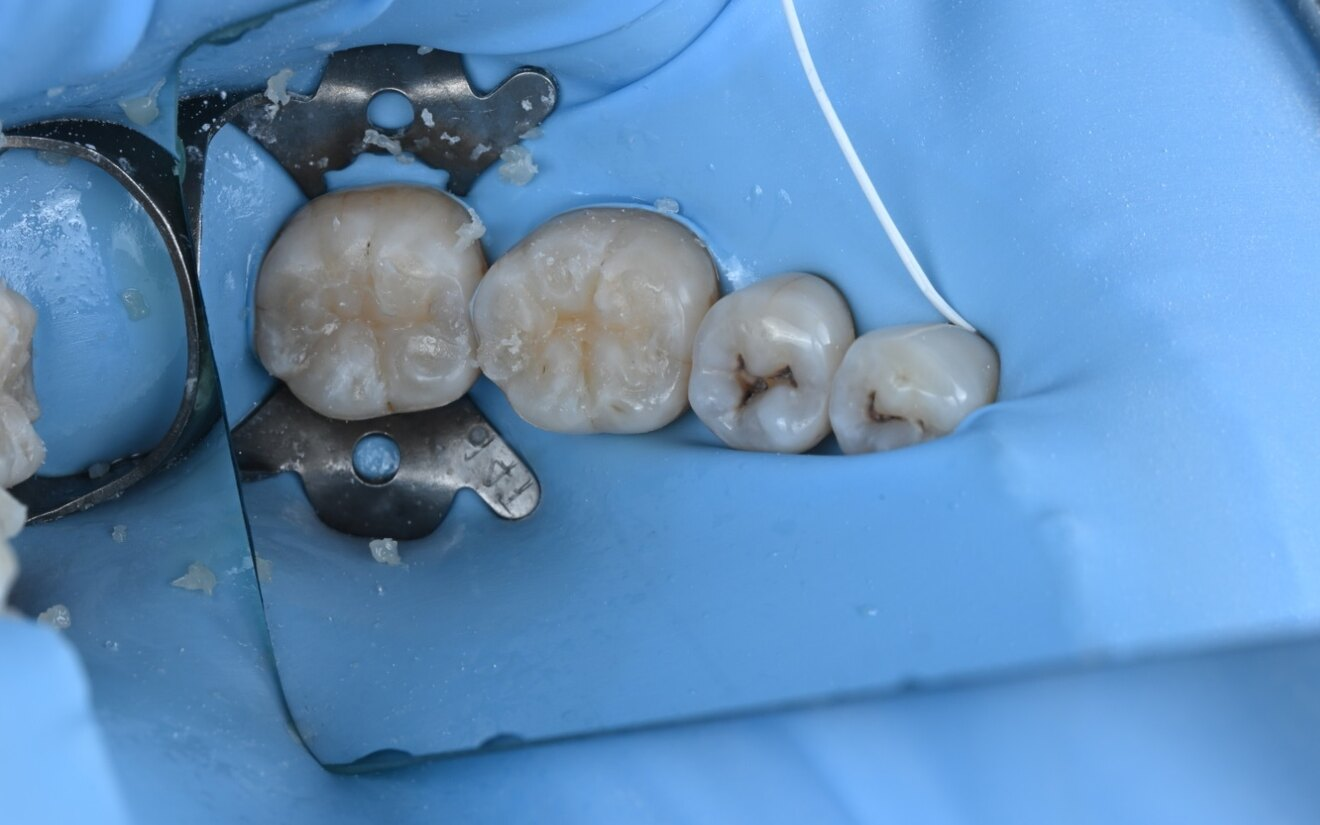
Adhesive resin treatment is sensitive to saliva and moisture. Rubber dam isolation was used to create a controlled field while the lost anatomy of both molars was rebuilt in stages.
What was checked after restoration?
The final review included more than the surface shape. Contacts with adjacent teeth, marginal transitions, occlusal height, and the relationship within the complete dental arch were checked.
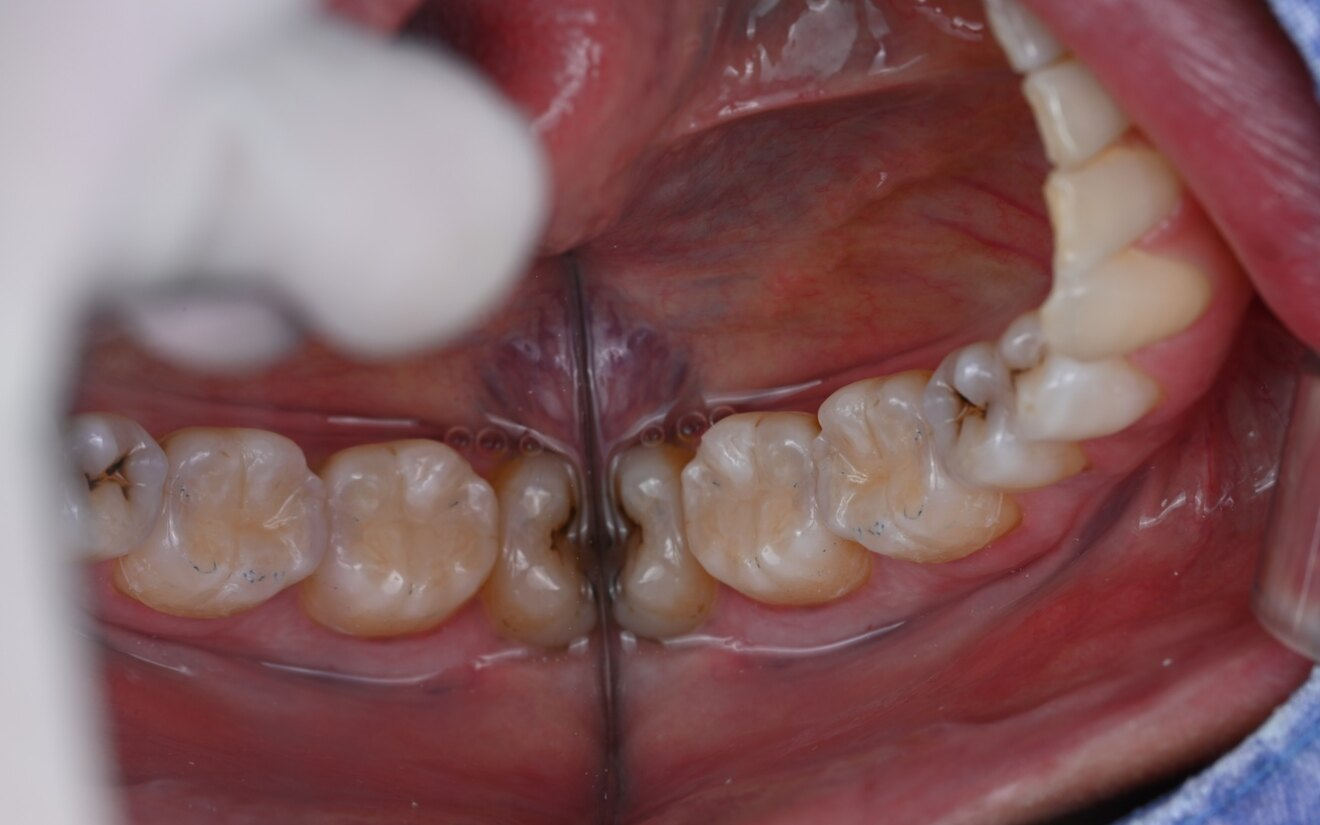
How did the restorations fit into the overall bite?
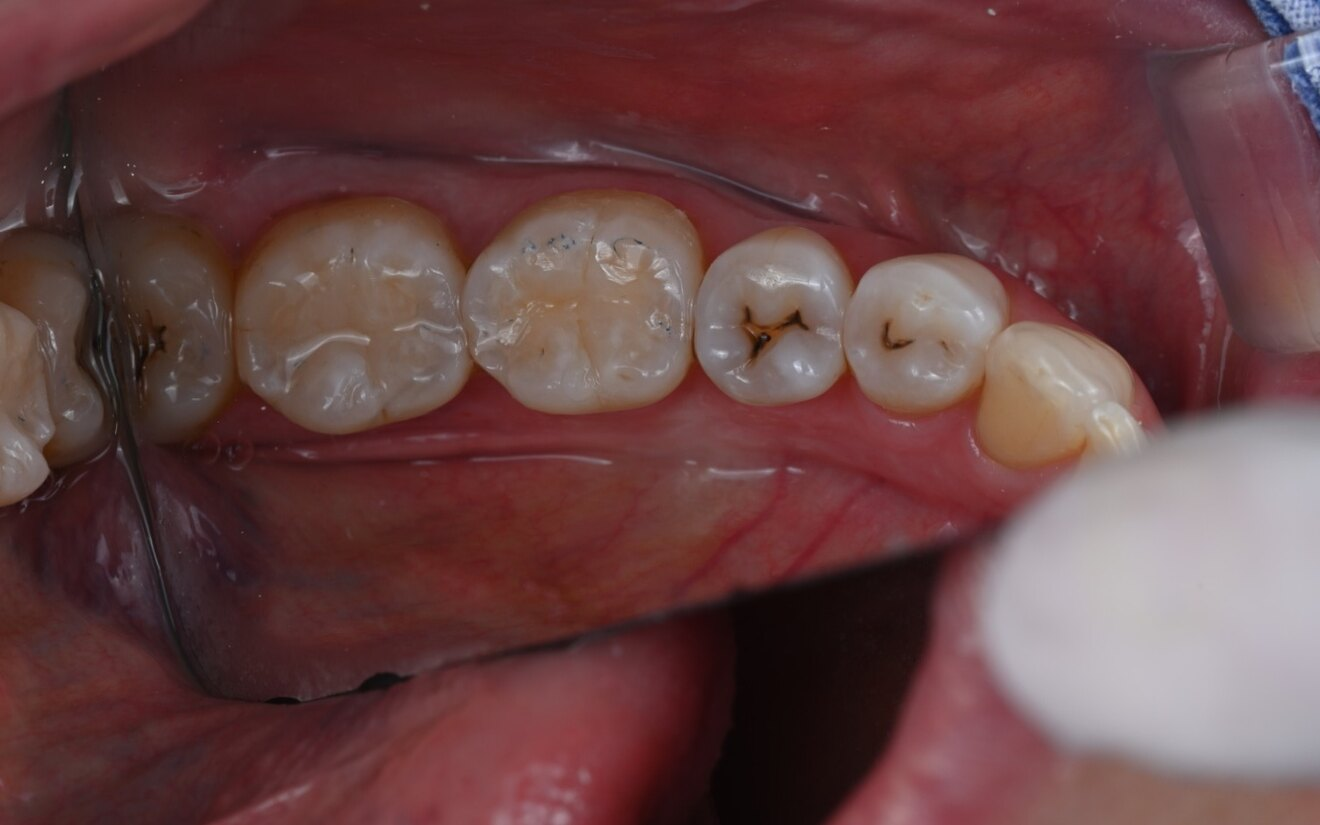
An overall intraoral view helped confirm how both restored molars related to the surrounding teeth and the complete bite.
How should restored molars be maintained?
Resin build-ups continue to receive chewing forces. Follow-up visits check wear, fracture, the tooth–resin margins, food impaction, and changes in the bite.
If clenching, grinding, or frequent hard-food habits are present, the additional force should also be considered. Persistent discomfort or a tooth that feels high should be assessed rather than left until the next routine visit.
Read more
This clinical journal describes an actual treatment case with identifying information excluded.
Treatment methods, duration, and outcomes may vary according to general health, oral condition, bone, bite, and maintenance needs.
This page provides general medical information and does not replace an individual examination or diagnosis.