Full-arch implants in Jeju: treating the lower and upper jaws in stages
Treatment began with lower full-arch implants in 2023. The upper jaw followed in 2025 after the patient returned with denture discomfort.
Treatment at a glance
- In 2023
- Many teeth were missing in both jaws, and the remaining lower teeth were unlikely to be maintainable long term.
- First treatment
- As treating both jaws at once was difficult, we began with lower full-arch implants and restored the upper jaw with a complete denture.
- Return visit
- The patient returned in 2025 because the upper denture moved and was uncomfortable to use.
- Final treatment
- Upper treatment followed two years later, completing full-arch implant treatment in both jaws.
2023: a visit to discuss dentures
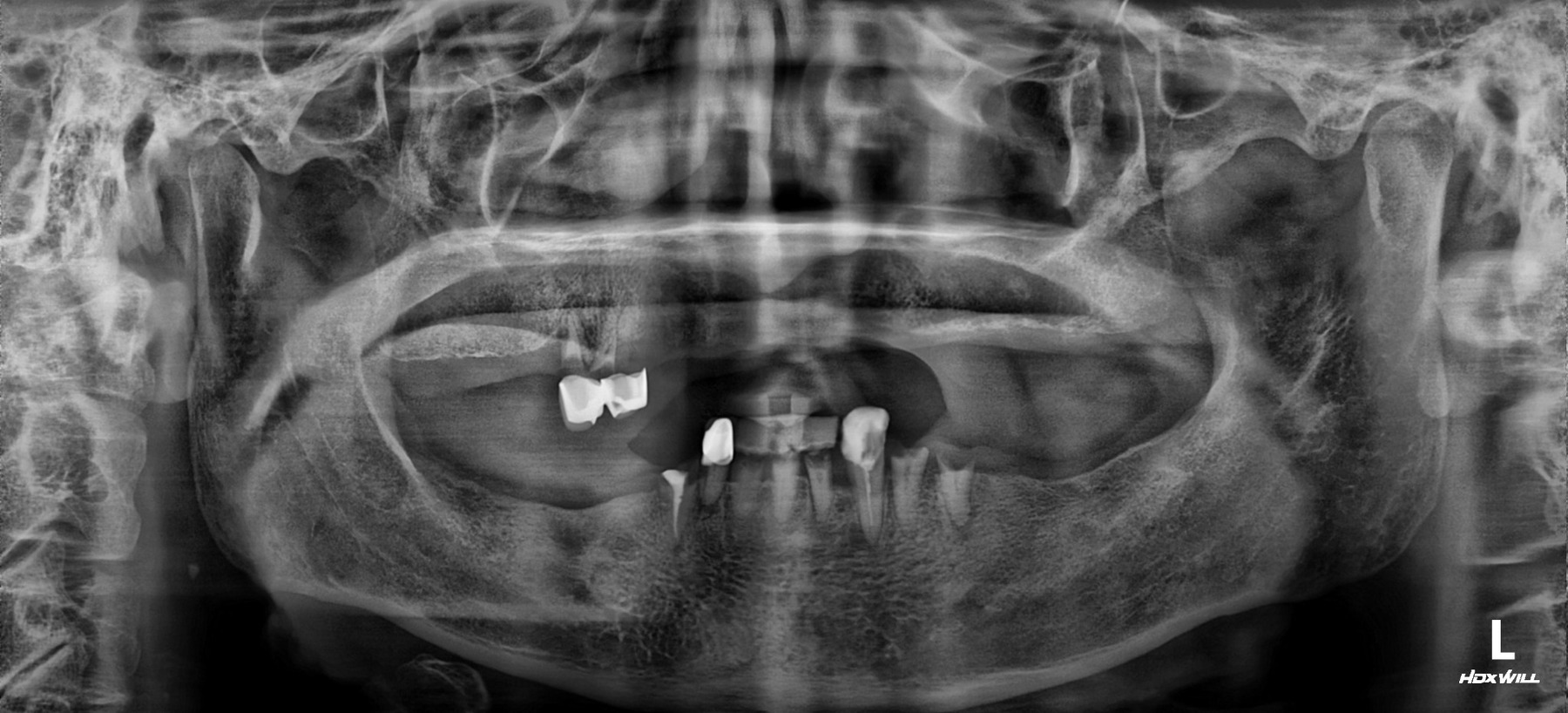
The patient had lost many teeth and was finding meals and everyday life difficult. The first visit in 2023 was for a denture consultation.
Very few usable upper teeth remained. Some lower teeth were still present, but their gum support and existing restorations made their long-term outlook poor. A plan for the whole mouth was needed.
Starting with the lower jaw
We discussed fixed full-arch implant treatment for both jaws. Because of the cost of completing everything at once, the patient chose to begin with the lower jaw.
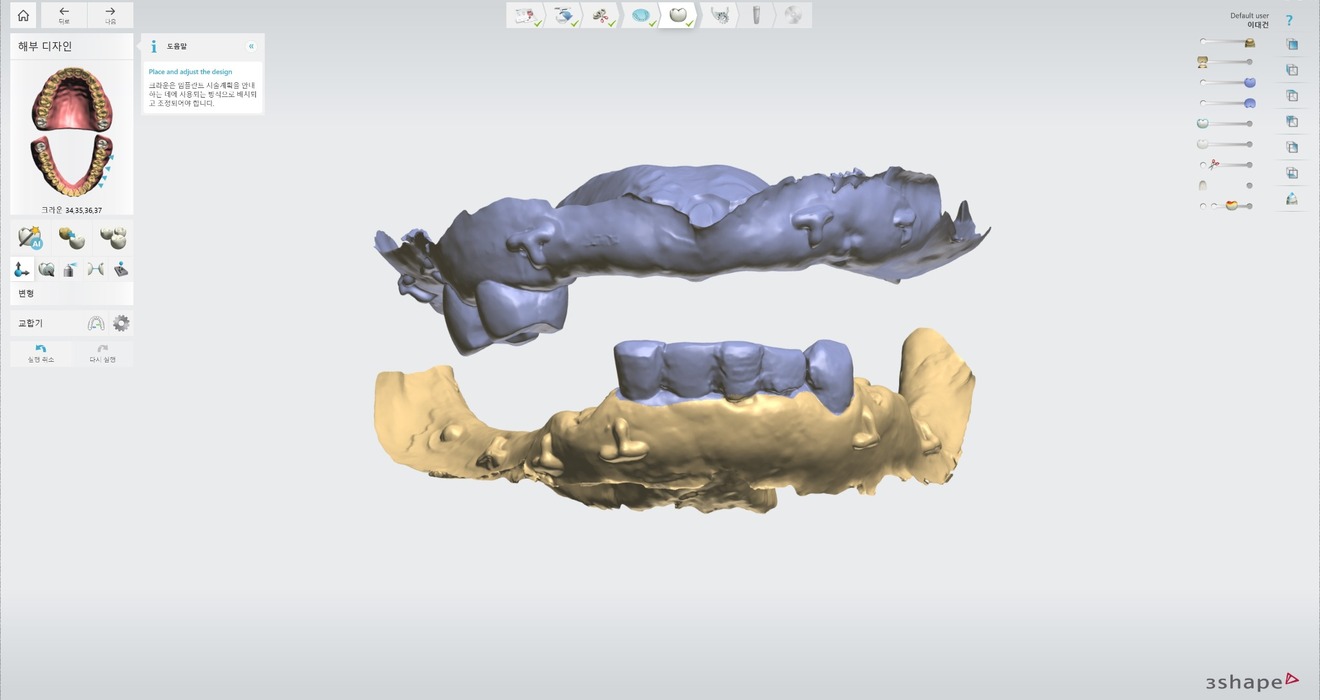
The lower jaw received an All-on-X fixed restoration, while the upper jaw was restored with a complete denture. The lower tooth positions and bite were planned with possible future treatment of the upper jaw in mind.
The first stage was completed in 2023
The lower implants supported a connected fixed restoration. At this stage the patient continued to use an upper complete denture.
2025: upper denture movement and discomfort
The upper denture became increasingly uncomfortable and moved during use. The patient returned in 2025 to discuss fixed teeth for the upper jaw.
Although adjusting or replacing a denture was an option, the patient preferred teeth that stayed fixed in the mouth.
Planning the upper teeth around the existing lower restoration
We assessed the position of the lower teeth, the bite plane and the space available for the upper restoration. The upper implant positions were planned together with the final tooth arrangement.
Even when treatment takes place in stages, both jaws need to work together when the patient bites and chews.
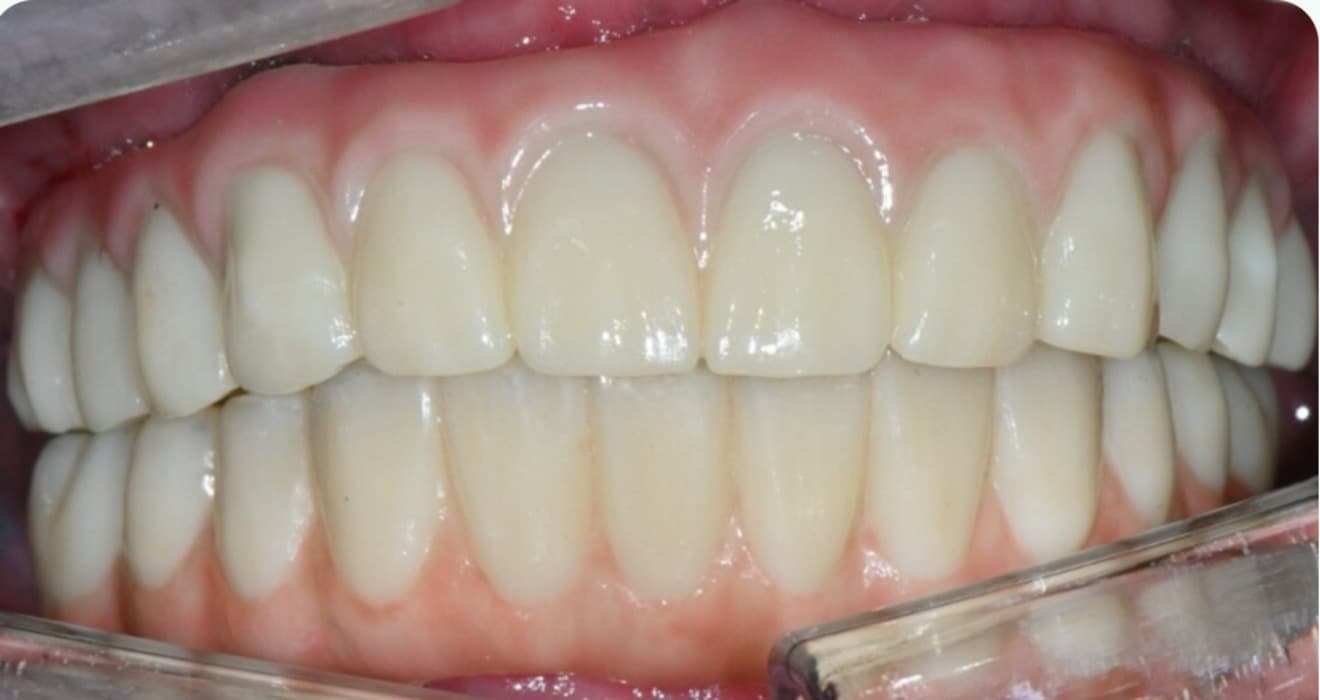
Both jaws restored with fixed full-arch implants
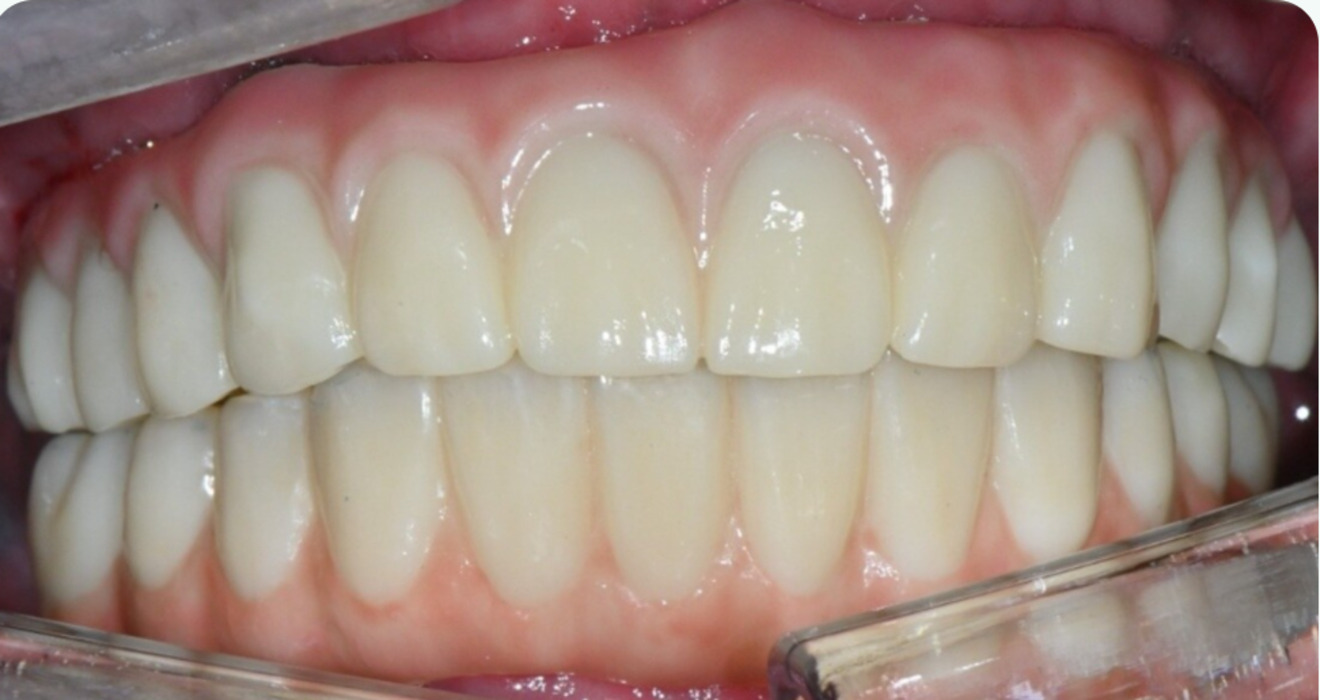
In 2025 the upper implants were connected to a fixed full-arch restoration. The final photographs were used to check tooth arrangement, the midline and the bite.
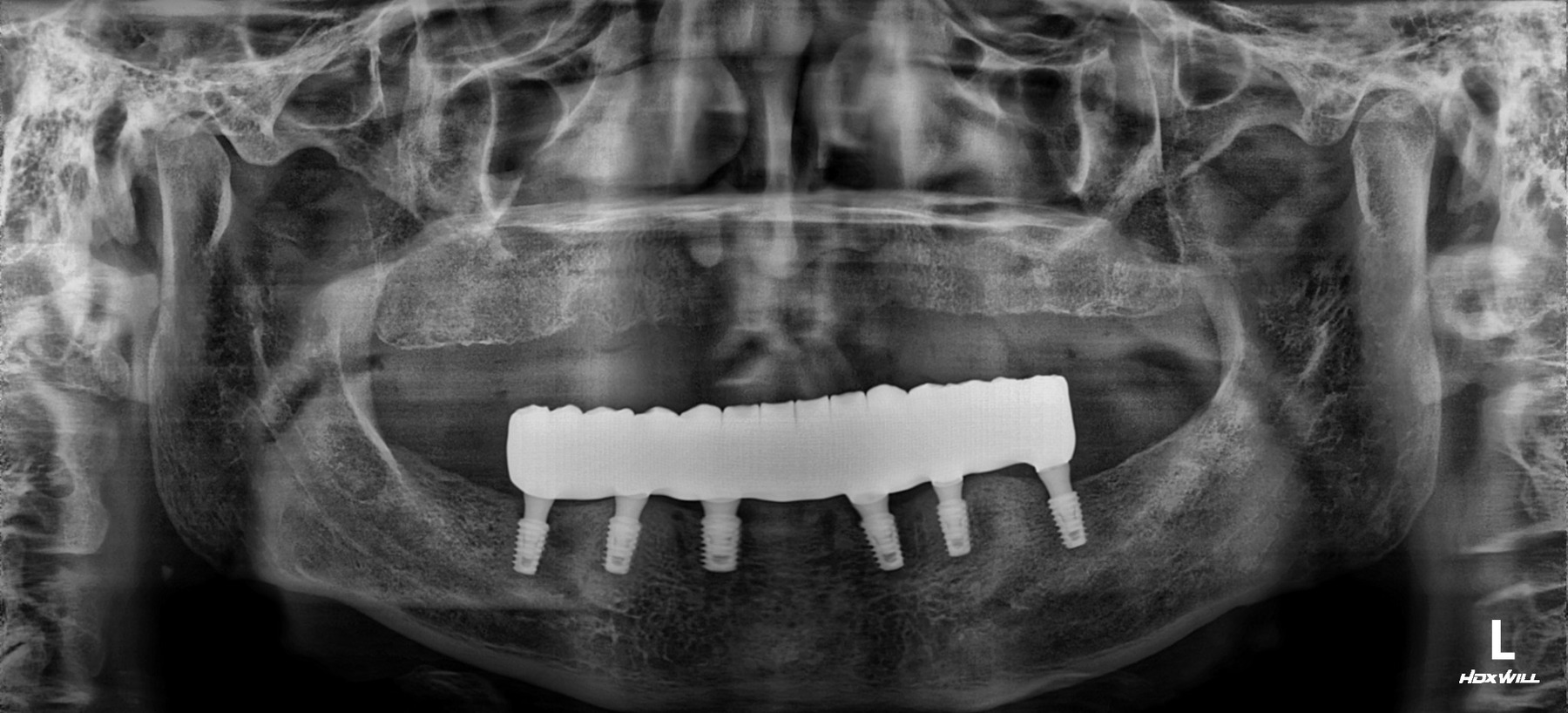
Final X-ray review
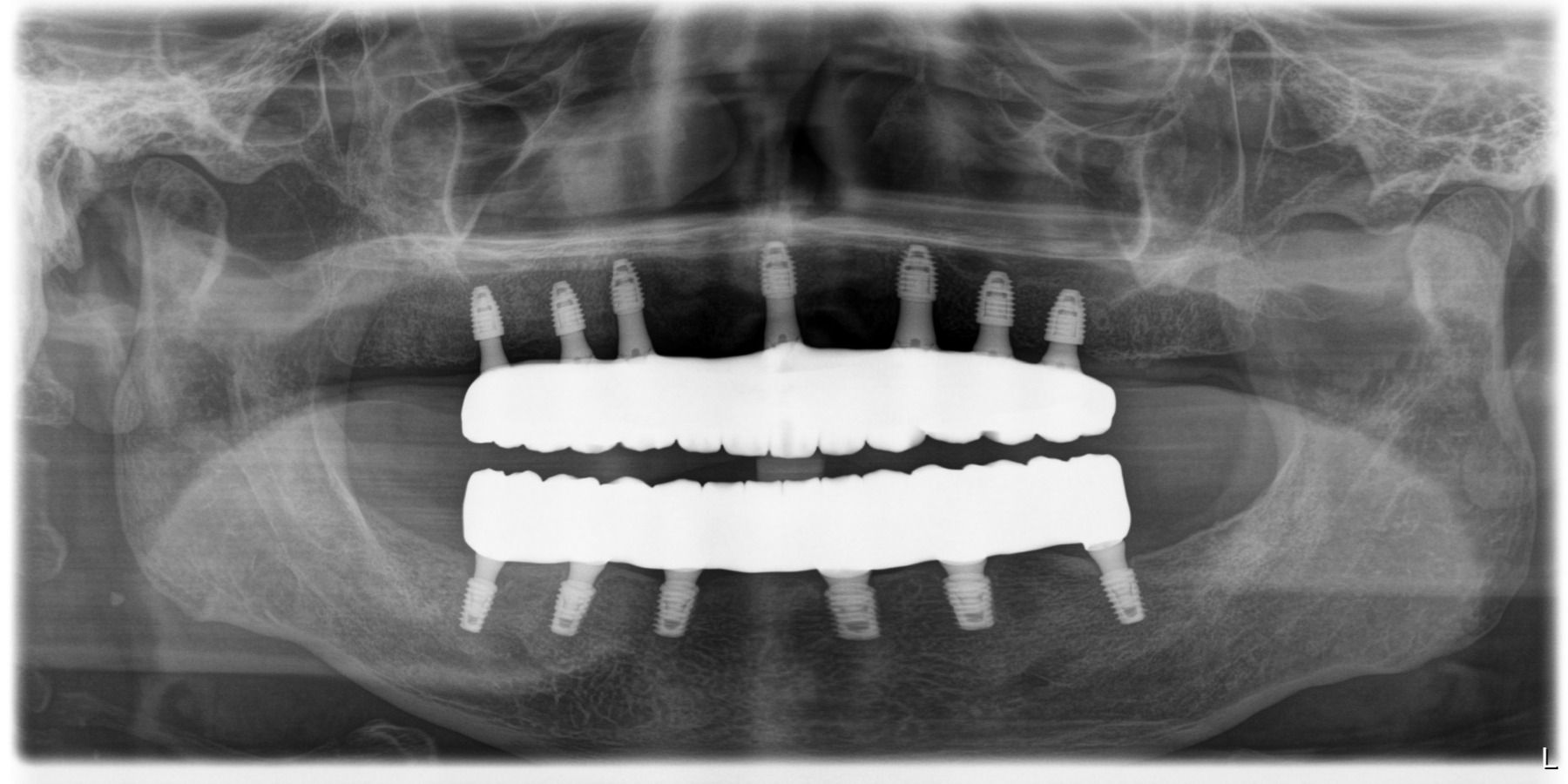
The final panoramic X-ray showed the distribution of the implants and the connected restorations in both jaws.
Looking after both jaws
Fixed full-arch restorations are not removed by the patient for daily cleaning. The areas underneath and around the implants need cleaning with the aids recommended by the clinic, such as interdental brushes or an oral irrigator.
Follow-up visits assess the gums around the implants, screw loosening, wear and changes in the bite. Staged treatment still requires ongoing care of both jaws together.
Read more
This clinical journal describes an actual treatment case with identifying information excluded.
Treatment methods, duration, and outcomes may vary according to general health, oral condition, bone, bite, and maintenance needs.
This page provides general medical information and does not replace an individual examination or diagnosis.