Biomimetic resin build-up in Seogwipo: how can more of your tooth be preserved?
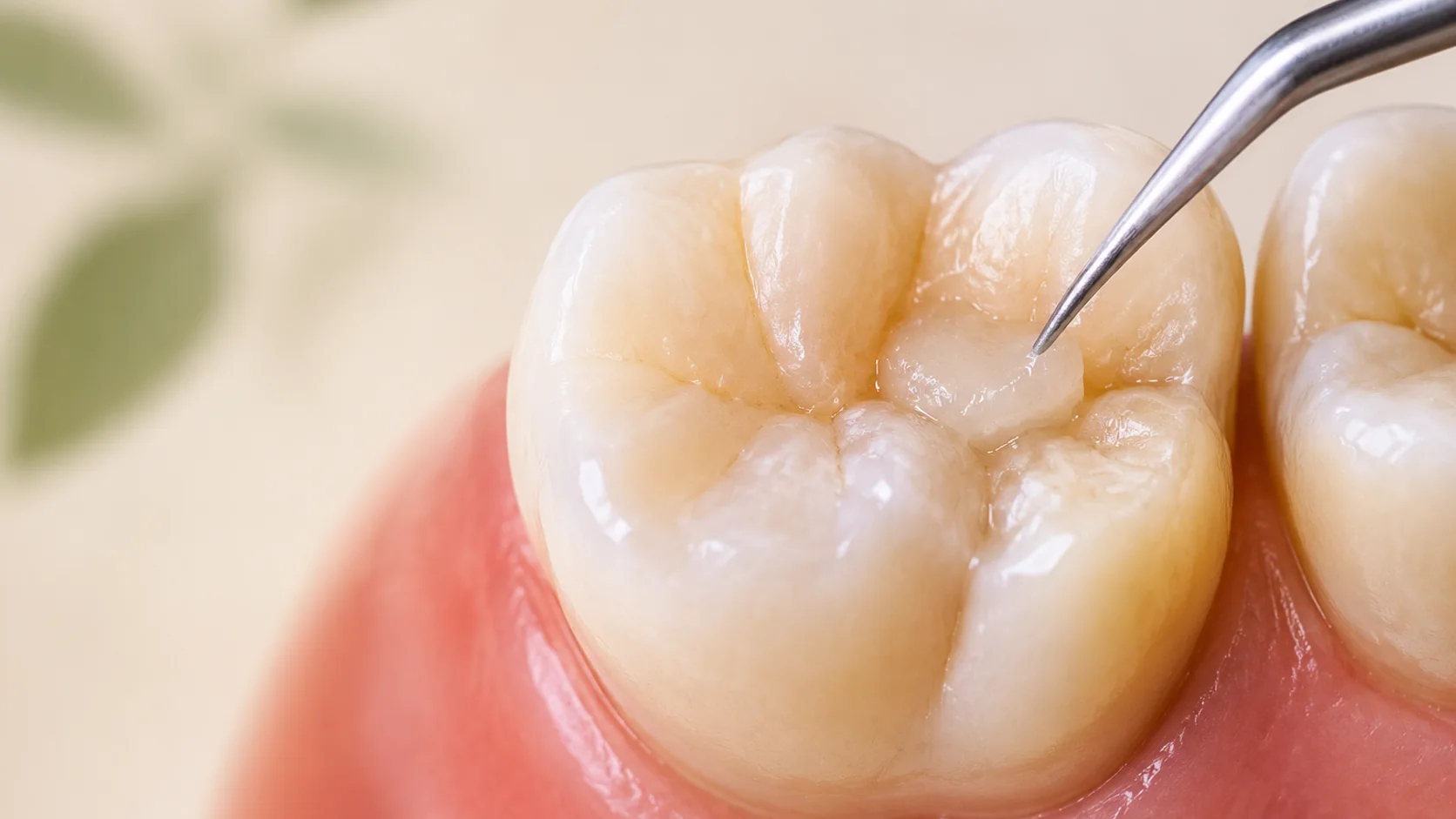
Before decay treatment, many patients worry about how much tooth must be removed and whether a crown will be needed.
We choose treatment according to the amount and condition of sound tooth remaining, aiming to preserve as much as possible. Biomimetic resin treatment follows this principle.
Key points
Preserve sound tooth and restore its form and function. Bonding, resin build-up and fibre reinforcement are chosen for the individual tooth; an onlay or crown may be needed when additional protection is required.
What does biomimetic mean?
Biomimetic means learning from natural structures and functions. In dentistry, the structure of natural teeth and how they withstand forces inform restoration of shape and function.
Pascal Magne and Urs Belser describe bonded resin and ceramic treatment based on this understanding. It is a treatment concept, rather than the name of a particular resin. Tooth preservation, bonding and resistance to chewing forces matter alongside material choice.
How does resin build-up work?
Resin is built up to recreate parts lost to decay or fracture. The chewing surface and the contact with neighbouring teeth are shaped and checked for comfortable biting and food trapping.
Where substantial internal reinforcement is needed, fibre may be used. Fibre reinforcement is one method available within biomimetic treatment.
Why is the bonding process important?
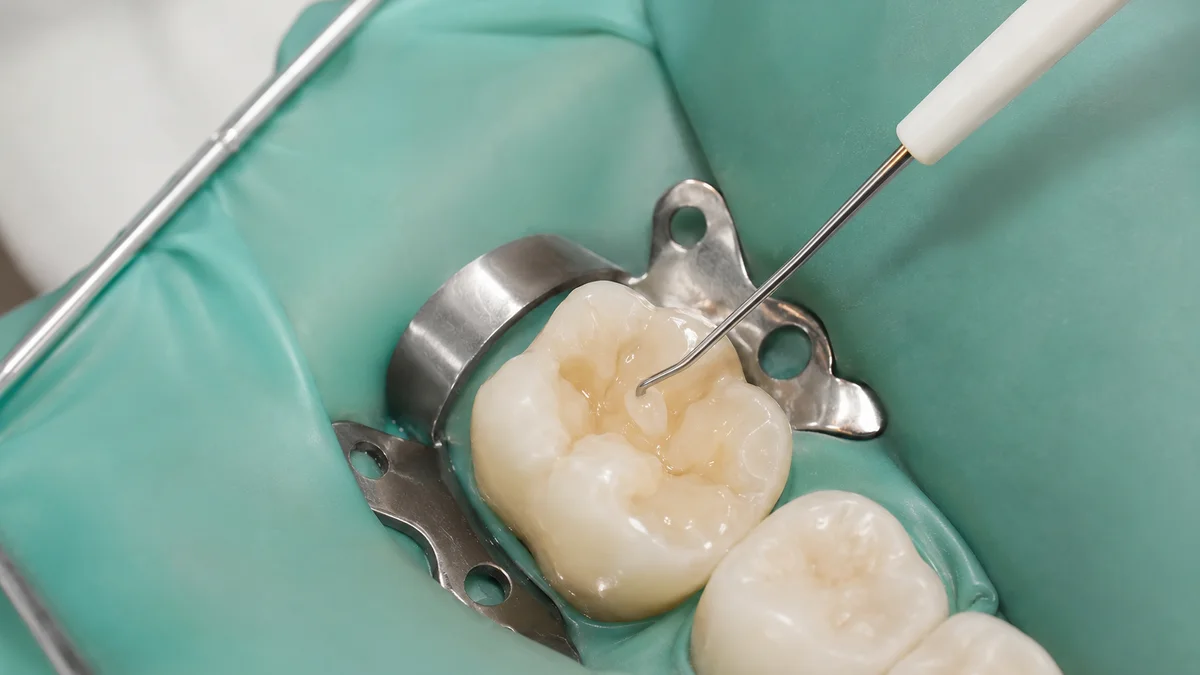
Resin treatment depends on a reliable bond to the tooth. Surface preparation and control of saliva and moisture are important.
A rubber dam is a sheet that separates the treated tooth from the rest of the mouth. At Hyungje Dental Clinic, we use it for resin build-up to maintain the bonding environment.
Layering and curing account for material properties and thickness. The bond underneath deserves as much attention as the visible tooth shape.
How do we decide whether resin is suitable?
We assess the extent and depth of decay, remaining wall thickness, cracks, the pulp, biting forces, clenching and grinding.
Reliable bonding access also matters. Decay extending deeply below the gums may need additional treatment to expose a suitable area.
A heavily fractured tooth or thin weakened surfaces may need an onlay or crown. Whether root canal treatment is necessary is determined separately by assessing the pulp.
How does Hyungje Dental Clinic approach treatment?
At our Seogwipo clinic, we preserve sound tooth and assess whether resin build-up is appropriate. If it is, we follow the bonding steps and reinforce with fibre when needed.
If covering a chewing surface is necessary, we explain the reason and extent of treatment. We consider preserving tooth and keeping the treated tooth useful over time together.
References
- Magne P, Belser U. Biomimetic Restorative Dentistry. Quintessence Publishing.
- Alleman DS, Nejad MA, Alleman DS. The Protocols of Biomimetic Restorative Dentistry: 2002 to 2017.
This article provides general dental information. Individual diagnosis and treatment require an examination.