Full-arch implants in Seogwipo for a patient previously told only dentures were possible
Reassessment of limited upper-jaw bone led to upper and lower All-on-X treatment using bilateral pterygoid implants and fixed temporary teeth.
Treatment at a glance
- In 2018
- The patient used two front upper implants and a partial denture. The sinuses and remaining bone meant extensive grafting would have been needed.
- Return visit
- After losing the upper implants, the patient used a complete denture. Its fracture led to a return visit in 2026.
- Reassessment
- We planned full-arch treatment in both jaws, including bilateral pterygoid implants for posterior anchorage in the upper jaw.
- Current stage
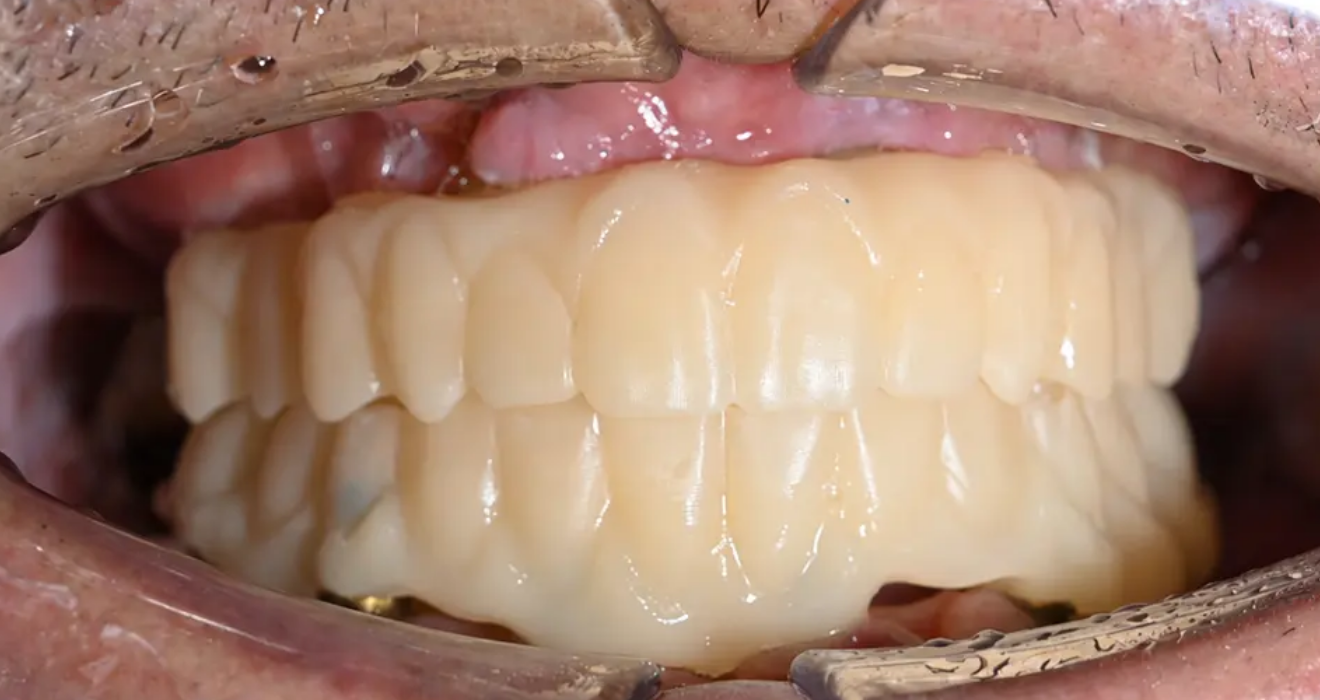
- Connected temporary teeth were fitted on the day of surgery. The final restoration and later follow-up will be reported as treatment progresses.
2018: treatment postponed because of grafting concerns
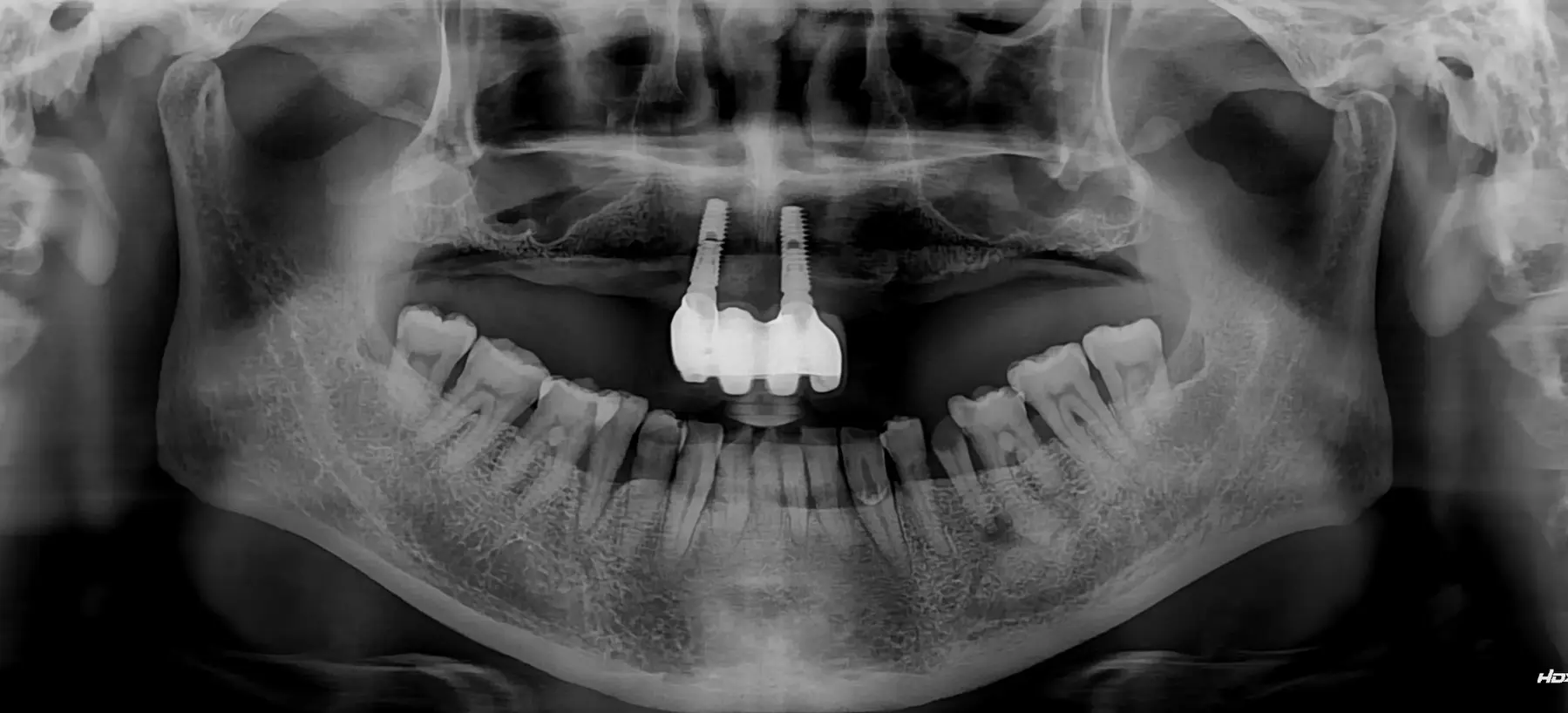
The patient initially used two upper front implants and an upper partial denture. Panoramic imaging and CT showed large sinuses and limited posterior upper bone.
Conventional placement for fixed teeth would have required extensive grafting, including sinus grafting. After discussing the scope and process, the patient felt the surgical burden was too great and did not proceed.
2026: a fractured complete denture prompted a return
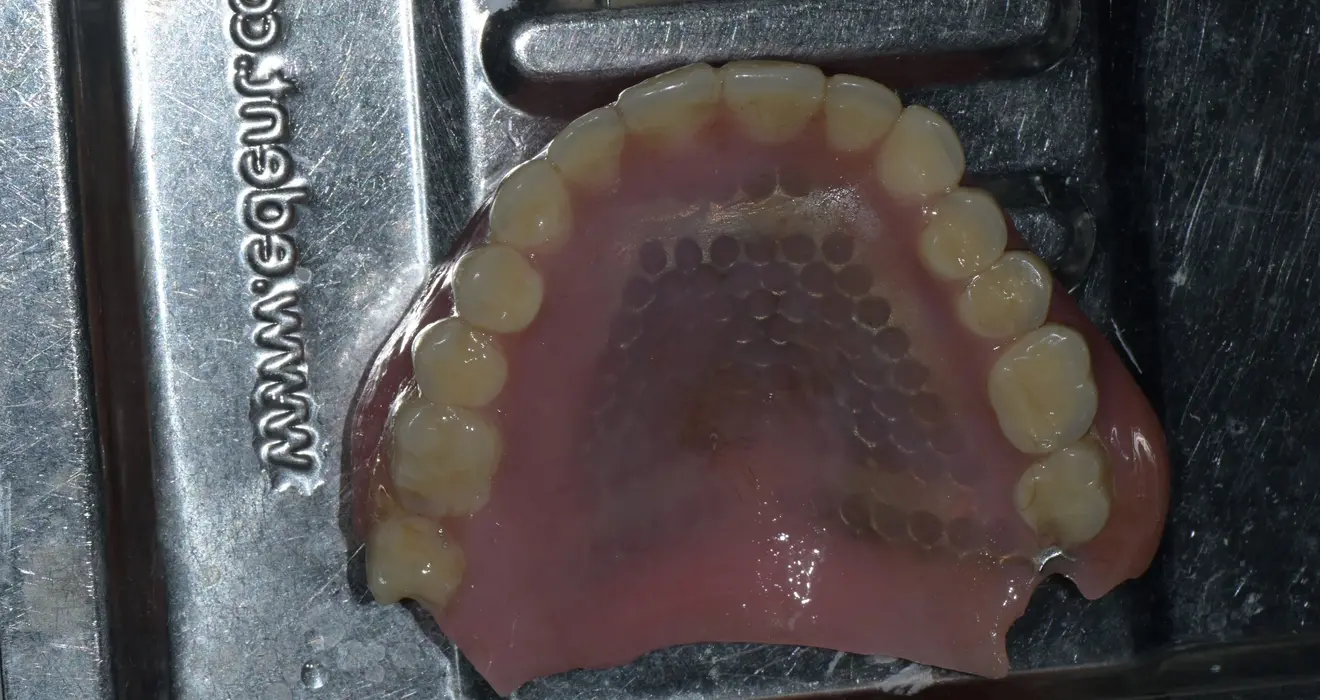
By the return visit, the previous upper implants had been lost and the patient had been using a complete upper denture. A fracture was causing difficulties with eating and daily life.
Repair or replacement could be considered, but the patient wanted fixed teeth to reduce recurring denture difficulties.
Reassessing both jaws together
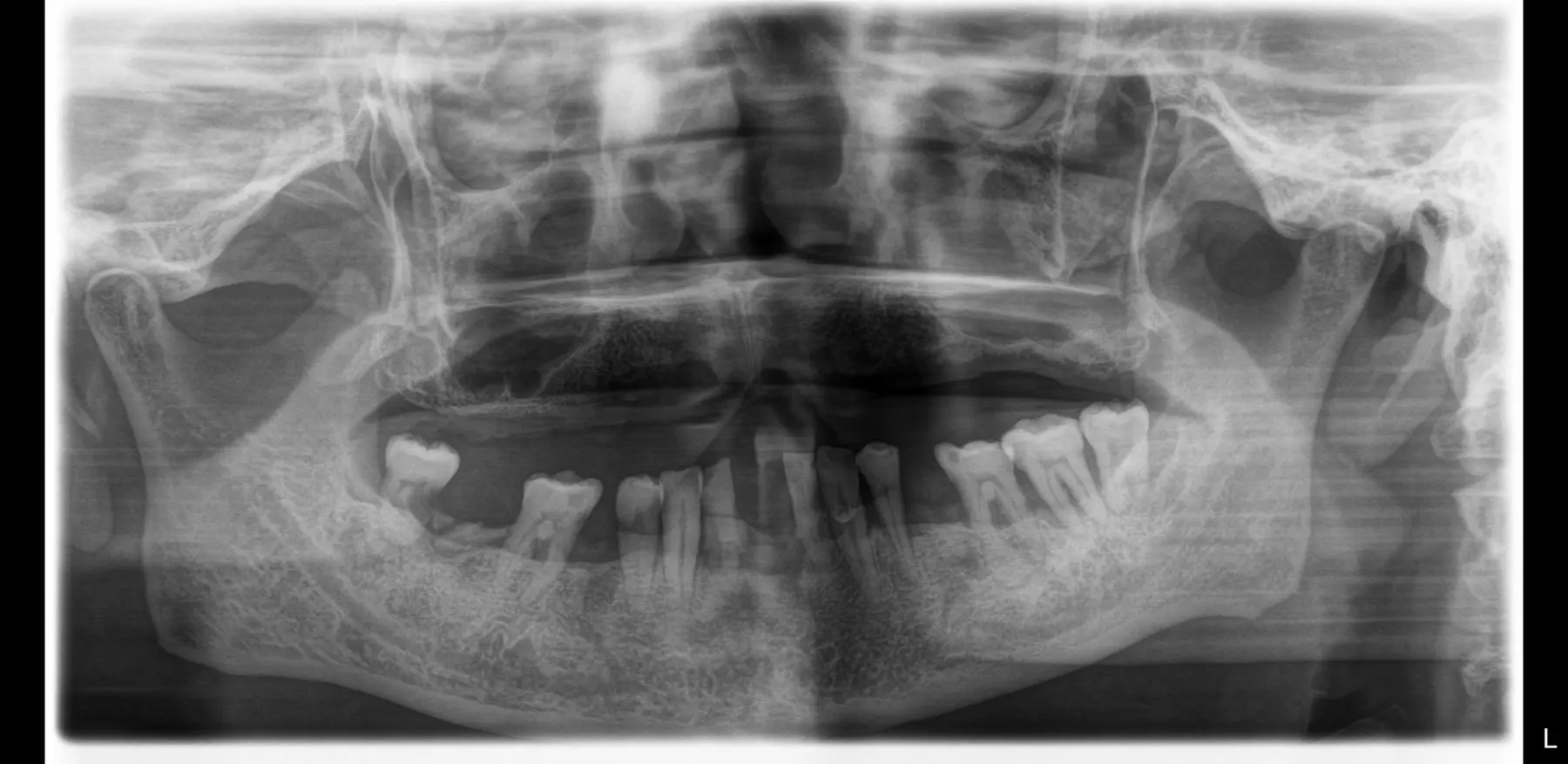
No upper teeth or implants remained. Several lower teeth remained, but their general gum support made long-term retention difficult.
We reassessed the possibility of All-on-X treatment using CT and digital records, planning implant positions, tooth form and the bite across both jaws rather than repeating isolated treatment.
Planning bilateral pterygoid implants
The main upper-jaw challenge was limited bone for rear implant support. We assessed another support route rather than concluding that dentures were the only option.
CT was used to reassess the sinuses and surrounding bone. Pterygoid implants on both sides were planned to use firm bone behind the upper jaw and connect to the front implants, providing posterior support without separate extensive ridge grafting.
This approach does not suit every patient with limited bone. Anatomy, insertion path, mouth opening and restorative space must be assessed.
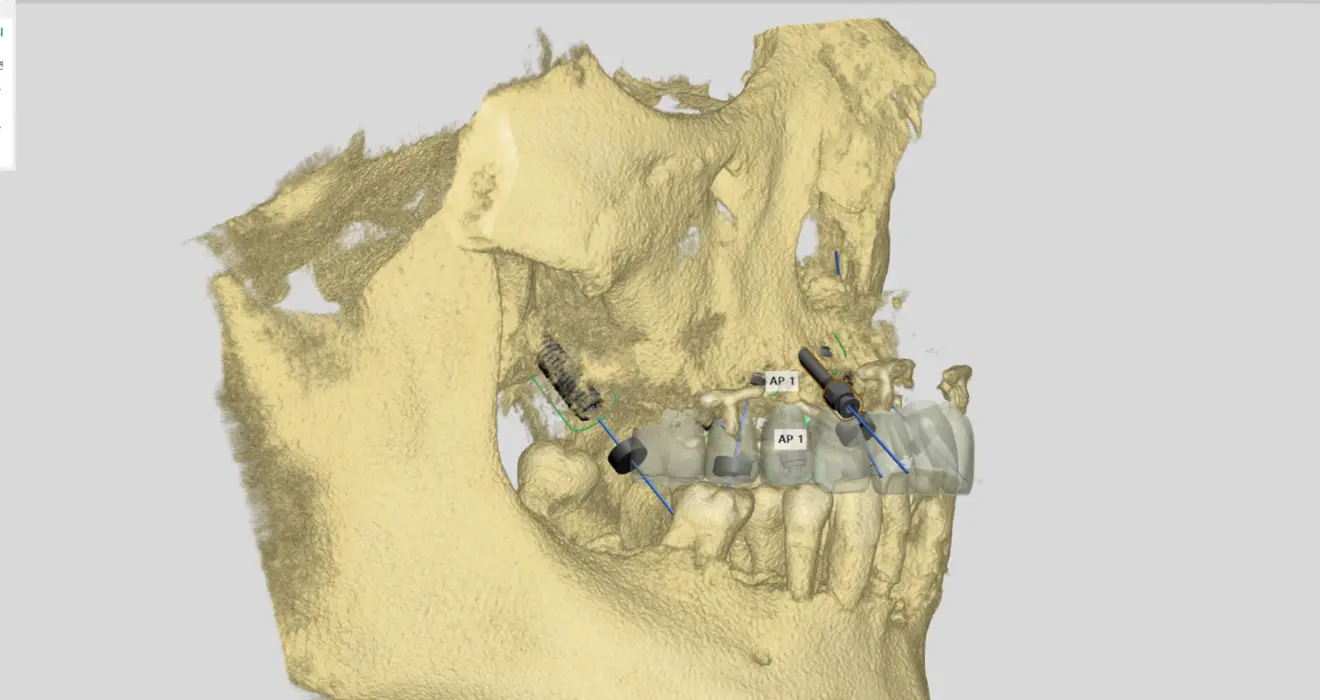
Upper and lower full-arch implant surgery
Front implants and bilateral pterygoid implants were placed in the upper jaw. Lower implants were distributed according to the remaining bone and support needed for the full restoration.
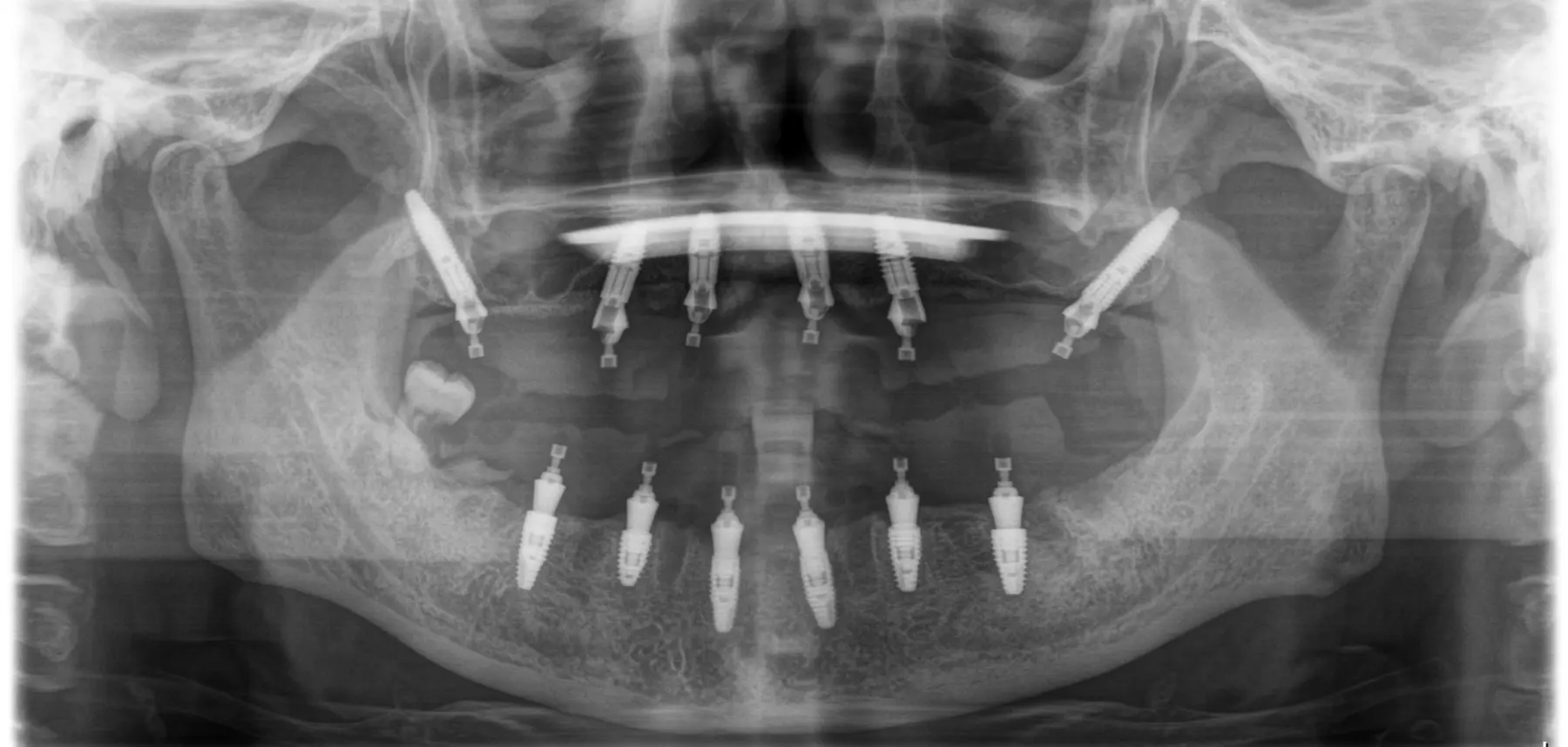
Fixed temporary teeth on the day of surgery
After confirming initial stability adequate to support temporary teeth, fixed temporary restorations were connected in both jaws on the day of surgery.
The patient could begin with soft foods rather than remain without teeth. Same-day temporary teeth do not mean unrestricted chewing: excessive loading must be avoided while the implants integrate.
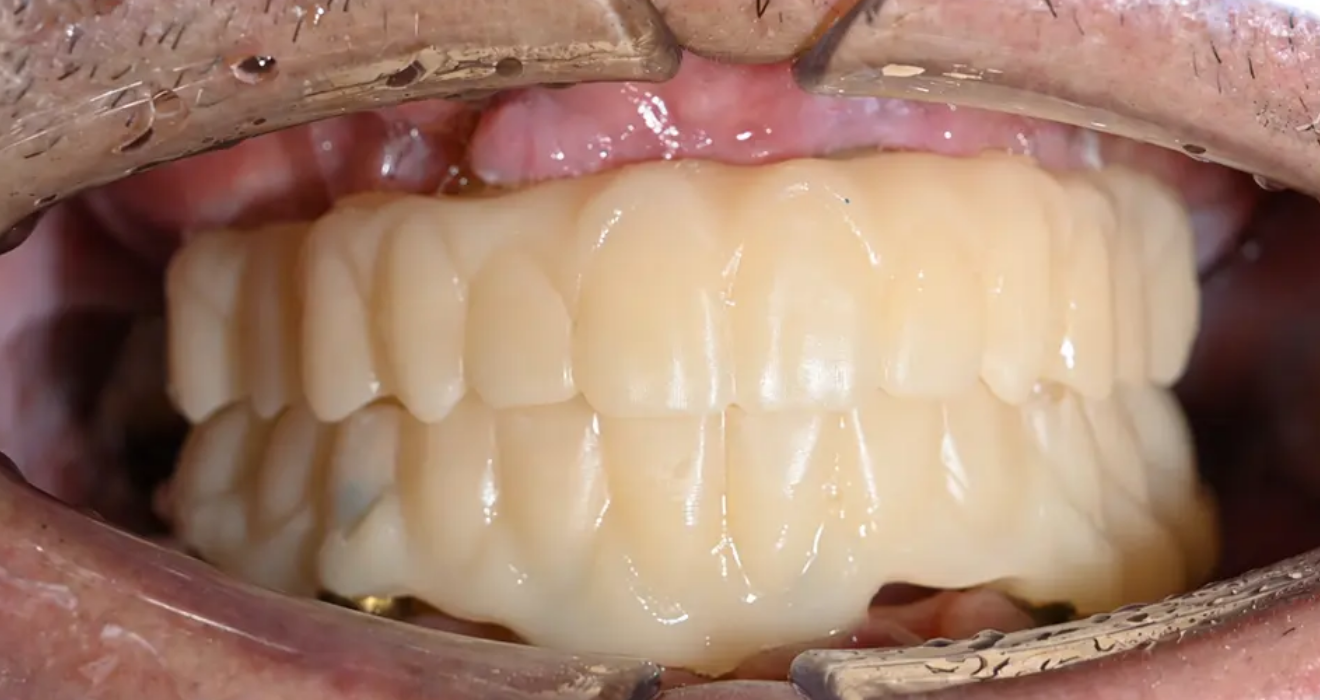
The final restoration is a later stage
This clinical record currently covers surgery and temporary teeth. During healing we assess the surgical sites, bite, speech and cleaning.
The Korean journal is intended to be updated after the final teeth are made and fitted. Temporary teeth are one stage of treatment while the implants stabilise.
Reassessing remaining bone and alternative support
The aim was to find posterior support and a stable restoration within this patient’s anatomy and concerns about extensive grafting.
CT findings, the stability achieved during surgery, implant distribution and the bite determine suitability for this approach and same-day temporary teeth. Results and treatment needs vary between patients.
Read more
This clinical journal describes an actual treatment case with identifying information excluded.
Treatment methods, duration, and outcomes may vary according to general health, oral condition, bone, bite, and maintenance needs.
This page provides general medical information and does not replace an individual examination or diagnosis.