Does a dry mouth make cavities more likely?

Do you need water to finish a slice of toast, or wake up with your tongue sticking to the roof of your mouth? When saliva flow falls, eating can become uncomfortable and cavities can develop even if your brushing routine has stayed the same.
Key points
Why a persistent dry mouth increases the risk of decay, how fluoride helps, and what to bring to a dental visit.
How saliva protects teeth
After you eat sugar, bacteria produce acids that draw minerals out of enamel. Saliva clears food and sugar, buffers those acids, and supplies calcium and phosphate to replace lost minerals. With less saliva, teeth have less opportunity to recover between meals.
Think back to when the dryness started
Some medicines, including certain blood pressure medicines and antidepressants, can dry the mouth. Note any new prescription or dose change around the time symptoms began. Keep taking prescribed medicines and discuss possible adjustments with the prescriber. Sjögren’s disease and radiation treatment to the head and neck can also affect saliva production.
Water for comfort, fluoride for protection
Take sips of plain water with dry foods. Repeated sips of sweet drinks or slowly dissolving sweets expose the teeth to sugar throughout the day. If chewing is comfortable, sugar-free gum can help stimulate saliva.
Brush twice daily with fluoride toothpaste, gently cleaning along the gumline where roots are exposed. If you keep developing cavities, ask your dentist whether prescription-strength fluoride toothpaste or fluoride varnish would suit you.
When to book a dental visit
Arrange an examination if dryness returns soon after drinking, food sticks to your palate, or your mouth often feels sore. Bring a medication list and mention when symptoms are worst. Your dentist can check saliva pooling, the lining of your mouth and exposed roots, and decide whether to measure saliva flow or refer you for further assessment.
Related articles
 Why Does My Mouth Keep Feeling Dry? A Guide to Dry Mouth →Medicines, mouth breathing, hydration and some health conditions can contribute to a dry mouth and increase the need for dental care.
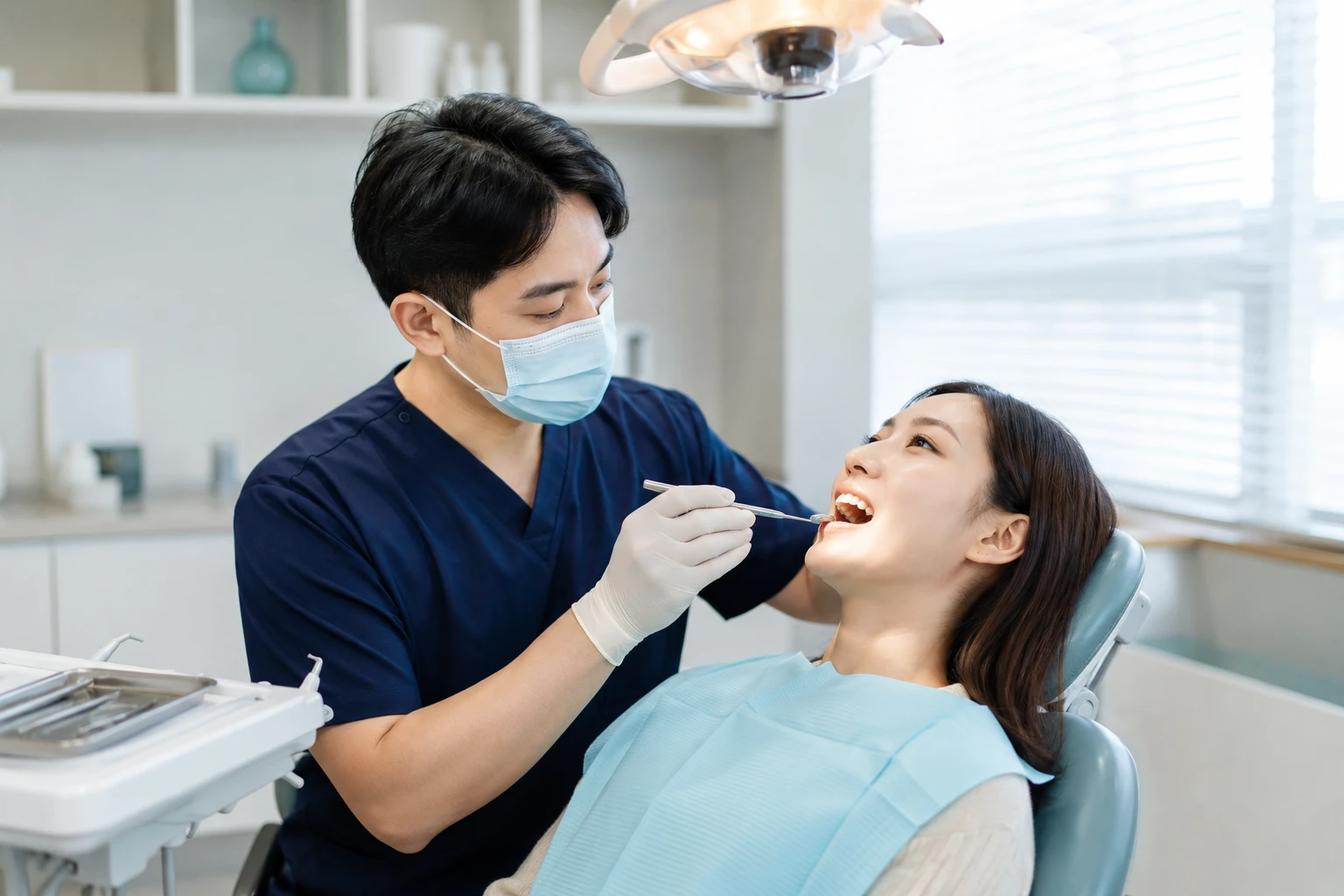 Why Have Dental Check-Ups When Nothing Hurts? →Check-ups can find changes in gums, existing restorations, wear and cracks before they become obvious through pain.
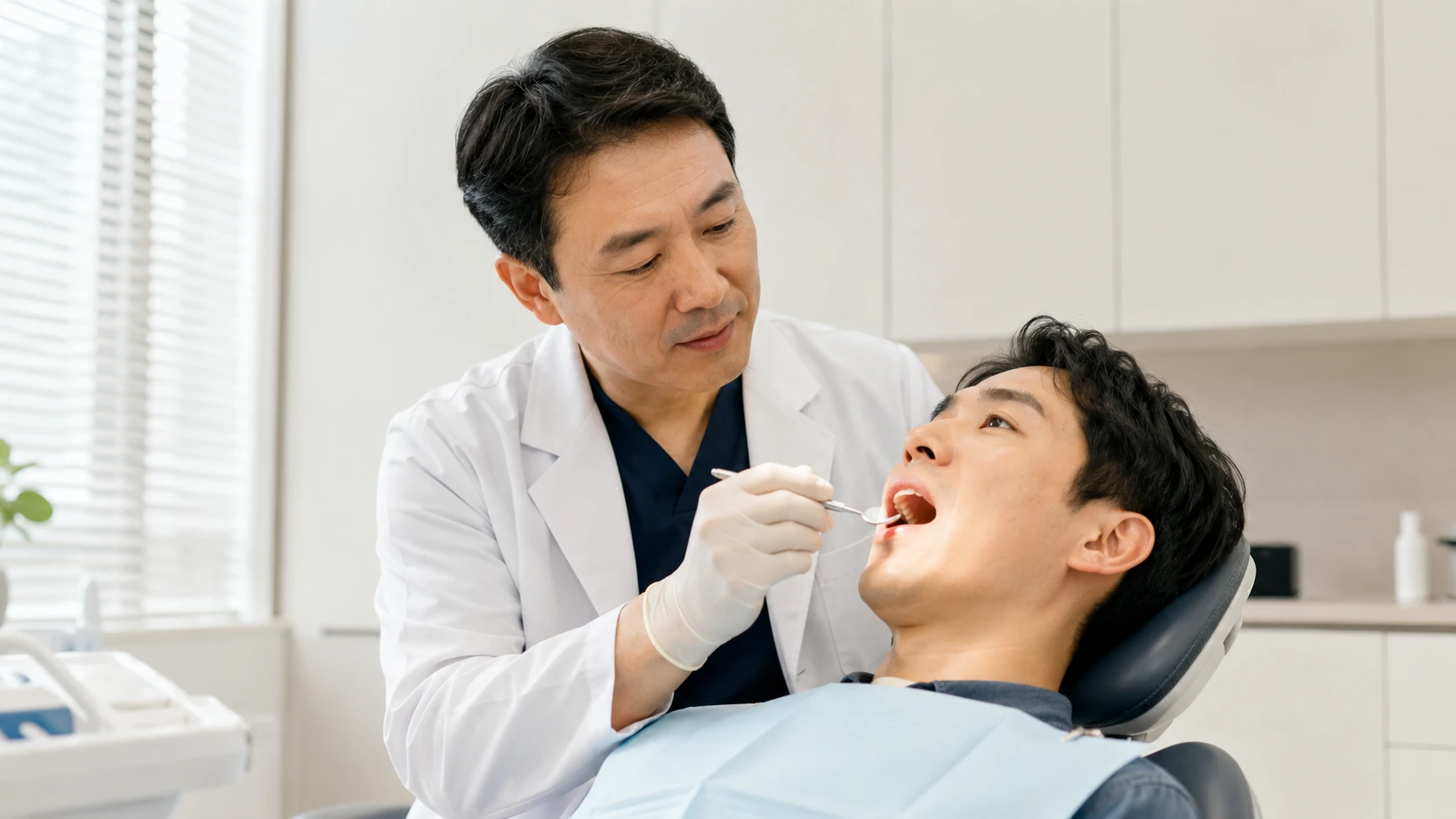 Choosing a Clinic for Cavity Treatment in Seogwipo →Questions about diagnosis, how much tooth is removed, rubber dam isolation and follow-up can help you understand a cavity treatment plan.
- Tooth preservation at Hyungje Dental Clinic →
References
This article provides general dental information. Individual diagnosis and treatment require an examination.