
This English guide presents the key points of the original Korean article. Individual diagnosis and treatment choices require an examination.
Notice changes at mealtimes
Avoiding meat or other foods, choosing only soft meals, taking longer to eat or eating less may signal that a denture needs attention. Ask the person wearing it what hurts and when it moves.
Bring useful details
Record which foods are difficult, the location of sore areas, whether the denture lifts when chewing, and any weight or appetite changes. Bring the current dentures to the consultation.
What happens at the visit?
The dentist checks the denture, gums, bite and remaining teeth. An adjustment, reline, new denture or another treatment may be discussed according to the findings and the person's goals.
Read more
 Why Dentures Can Feel Uncomfortable: Before Your First SetUnderstand the limits of complete dentures, the challenges of adapting in later life, and how to compare dentures with fixed full-arch implants before treatment.
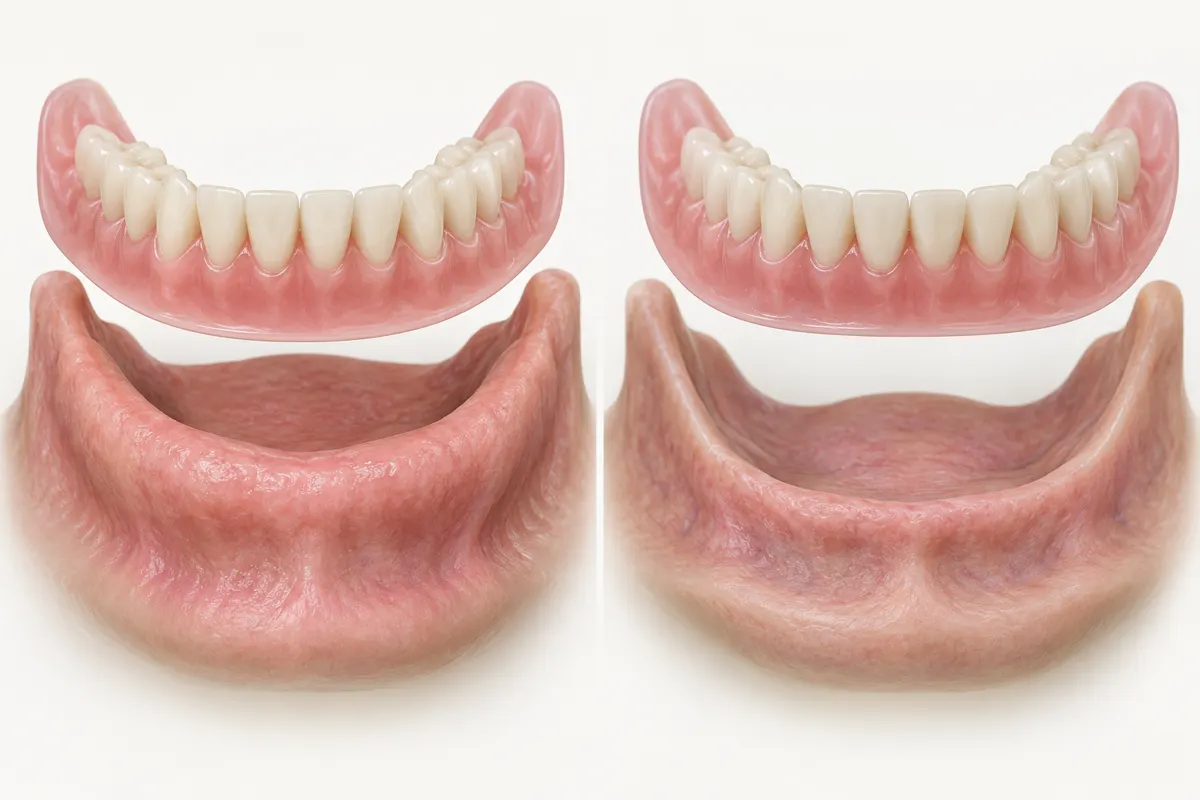 Will New Dentures Feel Better? Benefits and Limits of Remaking ThemUnderstand when an adjustment, a reline or a new denture may help, and when support from the underlying gums remains the limiting factor.
- Full-arch implant treatment
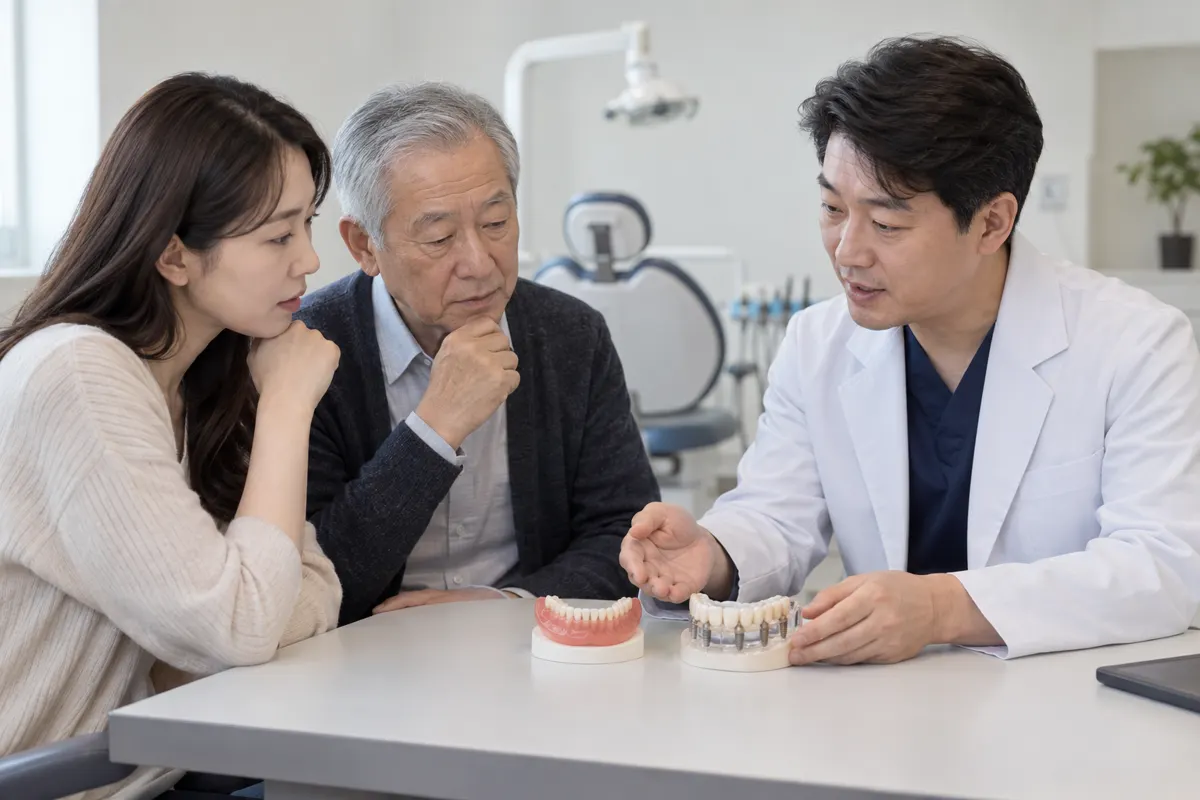 Before Considering Full-Arch Implants for a Parent Wearing DenturesPrepare for a full-arch consultation by reviewing remaining teeth, bone, medicines, eating during treatment and maintenance needs.
 Dentures or full-arch implants for your parents in Jeju: what should you consider?Begin with the remaining teeth and the difficulties experienced during meals. Compare removable and fixed options alongside medical health, recovery and everyday care.
 Dentures and Full-Arch Implants: How Does Chewing Differ?Compare chewing support and stability with dentures and full-arch implants, soft meals during healing, and daily cleaning and follow-up care.
More information
Read the full original article in Korean, or ask about your own situation at the clinic.