Inlays, crowns and bridges in Seogwipo: what should treatment planning include?
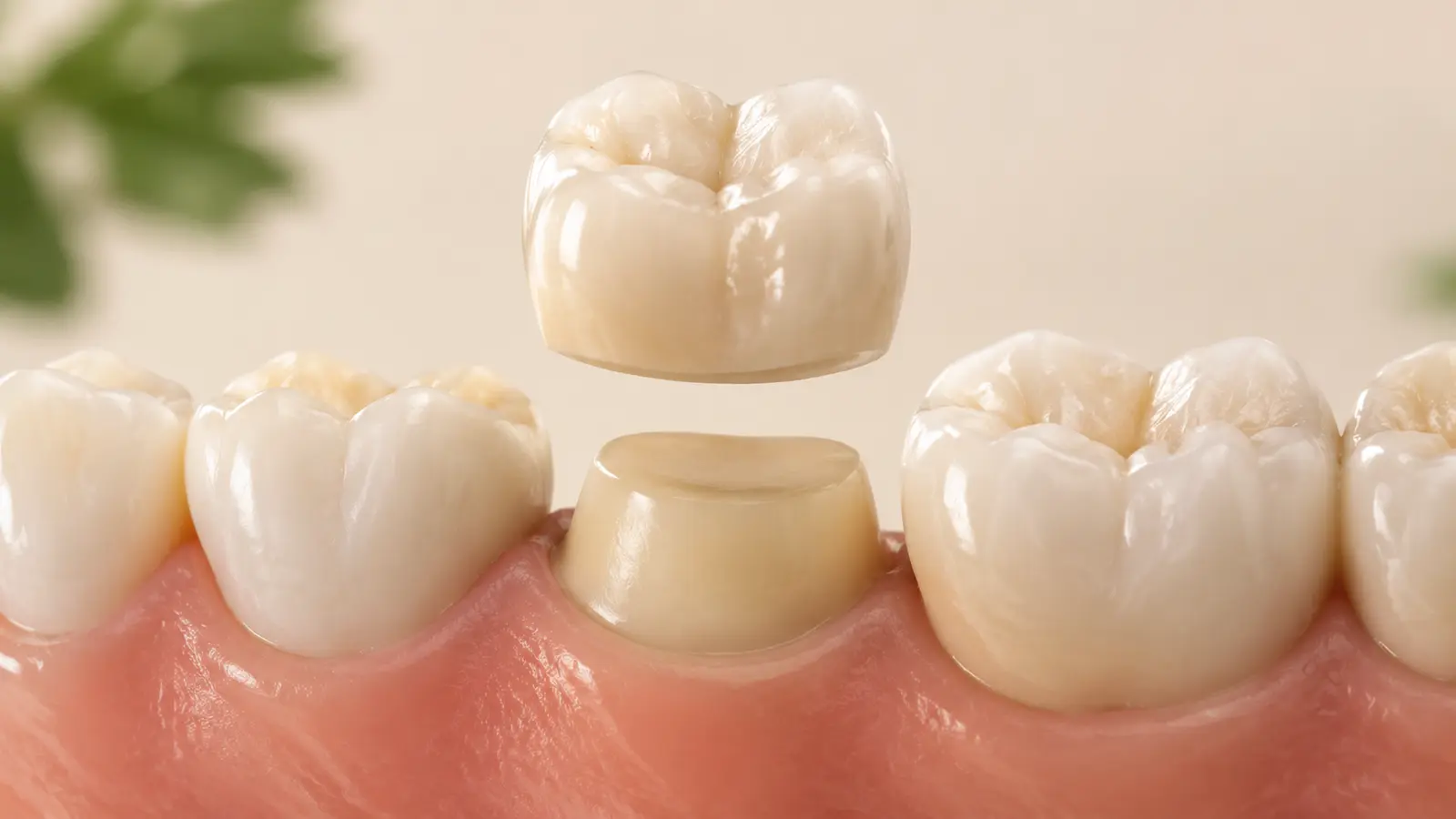
Restorative treatment starts with remaining teeth, gums, the bite and practical cleaning before deciding the extent of an inlay, crown or bridge.
Even with the same material, tooth preservation, force distribution and checks after fitting affect treatment and maintenance.
Key points
Choose the extent of treatment from the tooth’s condition. Preserve sound tooth where possible, assess the bite and confirm fit, contact and cleaning after placement.
What does restorative treatment address?
Inlays, onlays and crowns restore teeth damaged by decay or fracture; bridges replace missing teeth. The aim includes protecting remaining teeth, restoring chewing and contacts and creating a cleanable shape.
Diagnosis of what the tooth needs comes before material or fabrication speed.
What should be checked before treatment?
Visible decay size alone cannot determine the restoration. Examination and X-rays, with photographs or scans where useful, assess the inside and outside of the tooth.
Deep cracks, damage below the gums or gum disease require assessment of the pulp, treatability and outlook before making a restoration.
- Decay and damage beneath existing restorations
- Cracks and remaining sound tooth
- Pulp and tissues around the root
- Gum inflammation and restoration margins
- Neighbouring contacts and the bite
- Cleaning after treatment
Deeper decay or cracks than expected may change the plan. Ask what findings could expand the treatment.
How are inlays, crowns and bridges chosen?
The appropriate extent depends on damage, remaining tooth, position, forces and supporting teeth. A crown can require extra preparation where only part is damaged, while a small restoration may be insufficient when support is poor.
Bridges require assessment of the supporting teeth and cleaning, which also informs comparison with implants or other options.
| Treatment | When considered | What else to assess |
|---|---|---|
| Inlay or onlay | More coverage than a direct restoration, without covering the whole tooth | Remaining tooth, cusp protection and bonding |
| Crown | Structural protection around the whole tooth is needed | Pulp, preparation extent, margins and bite |
| Bridge | Teeth beside a gap can provide support | Supporting teeth, gap length, cleaning and force distribution |
Why does preserving tooth matter?
Sound enamel and dentine provide support and a bonding surface. ADA restorative guidance also emphasises preserving sound tooth during decay treatment; this does not mean leaving structurally unstable areas untreated.
Ask how much preparation is necessary, whether a smaller restoration is feasible and what structural findings justify a crown.
Why assess the bite?
The restoration must tolerate chewing and jaw movement. Early contact or concentrated forces during sideways movement can affect comfort and damage risk.
Before treatment, the dentist checks wear, opposing teeth and signs of clenching or grinding. At placement, height, movement and neighbouring contacts are assessed and adjusted as needed. The patient’s established bite and treatment scope should guide assessment.
Are digital scanning and fabrication enough?
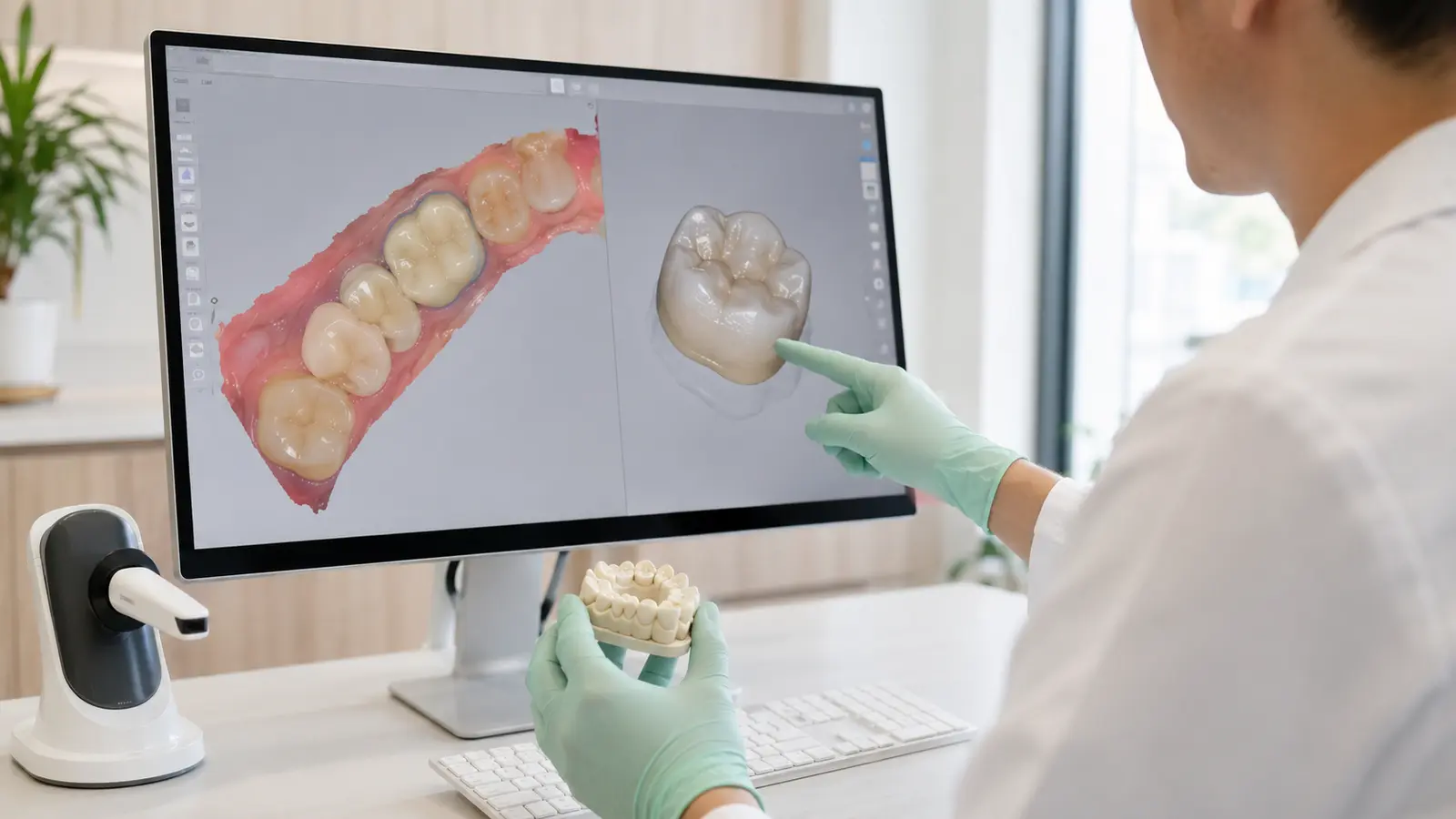
An oral scanner records tooth form and margins and helps review the design. It does not replace diagnosis or guarantee fit.
The clinician checks accurate margins, adequate scan coverage and actual contact and bite in the mouth. Ask what information guides design and what is checked before fitting, beyond the words digital or same-day.
What is checked after fitting?
Fit at the margins, neighbouring contacts, biting height and the gum relationship are checked. If one tooth contacts first or discomfort persists after anaesthesia wears off, arrange a review.
Decay and inflammation can develop around restorations. Floss, interdental brushes or recommended aids are needed particularly under bridges and at margins.
Regular visits assess nearby teeth, gums and the bite as well as the restoration. Pain, movement, fracture or food trapping warrant earlier attention.
How does Hyungje Dental Clinic plan restorative care?
We first identify what can be preserved and what problems require treatment. Examination, X-rays, photographs and scans when needed inform assessment of sound tooth, pulp, gums and the bite.
We explain direct resin, inlay, onlay and crown options with their benefits and limitations. After fitting, we check height and contacts and explain cleaning and review timing, with long-term care of the tooth and surrounding tissues in mind.
A checklist for choosing restorative care in Seogwipo
These questions help clarify the diagnosis and follow-up plan.
- Are decay, cracks, pulp and gums assessed together?
- Is the reason for an inlay, crown or bridge explained?
- Will I know what tooth can be preserved and how much treatment is expected?
- Are the bite and clenching or grinding assessed?
- Are the role and limitations of scanning and fabrication explained?
- Are fit, contacts and bite checked at placement?
- Will I receive cleaning instructions and a review plan?
Material, price and production time matter too. Understand the reasons, alternatives and follow-up before deciding.
Related articles
References
- American Dental Association. Evidence-based clinical practice guideline on restorative treatments for caries lesions. 2023.
- Goldstein G, et al. The Glossary of Prosthodontic Terms: Ninth Edition. J Prosthet Dent. 2017;117(5S):e1–e105.
- Goldstein GR, et al. The use of centric relation in complete dentures and fixed prosthodontics: A best evidence consensus statement. J Prosthodont. 2021;30(S1):57–60.
This article provides general dental information. Individual diagnosis and treatment require an examination.