Dental implants in Seogwipo: why do treatment plans differ between clinics?
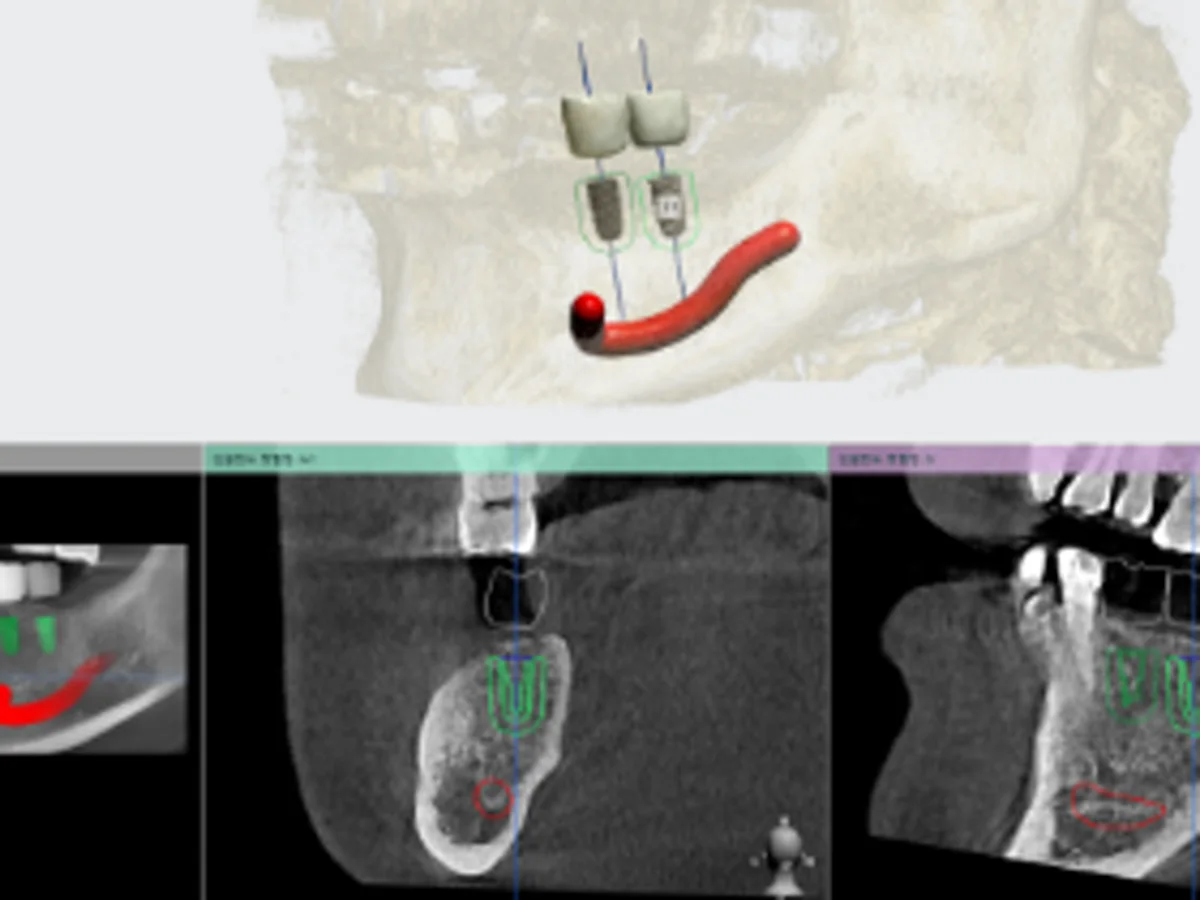
The same patient may receive different recommendations for implant numbers, positions, grafting, extraction timing and treatment duration.
A plan depends on the remaining teeth, final restoration, cleaning and future care, as well as the scan or number of missing teeth.
Key points
Different plans can reflect different priorities. Compare the reasons, alternatives, final tooth design and follow-up rather than the implant count or total price alone.
Why can one patient have several possible plans?
Implant treatment often has several options with different benefits and burdens. Keeping or removing a tooth, placing an implant immediately or later, and grafting or using another position can change the whole plan.
Recommendations can also reflect priorities such as preserving teeth, shortening treatment, limiting grafting or supporting a stable final restoration.
Ask why each approach is recommended and what its limitations are.
What information goes into the plan?
Examination, X-rays and, when needed, CT and oral scans are considered together.
- The likely outlook of treated remaining teeth
- Bone height, width and overall shape
- Inflammation around teeth and gums
- The bite and chewing habits
- Stability of the intended final restoration
- Ability to clean around the restoration
- Medical conditions and medication affecting surgery and healing
- Whether future problems can be accessed and repaired
- Practical follow-up and maintenance

Does a difference mean one clinic is wrong?
Not necessarily. Different goals and priorities may support different plans from the same findings.
Every plan should explain its diagnostic basis, benefits, burdens and alternatives. Without this, numbers and prices may not describe equivalent treatment.
| Priority | What may differ | What to check |
|---|---|---|
| Tooth preservation | Treatment and observation of remaining teeth | Preservability and outlook |
| Shorter treatment | Extraction and placement timing; temporary teeth | Conditions and limits for immediate treatment |
| Less grafting | Implant position, angle and number | Final tooth position and cleaning |
| Restoration stability | Implant distribution and restoration design | Bite, repair and maintenance |
What should you ask at consultation?
These questions help explain the plan beyond numbers and price.
- Which teeth can be saved, and why do others need extraction?
- Why is an implant needed in each proposed position?
- Why is grafting needed, and are there alternatives?
- When and how will temporary and final teeth be made?
- How will I clean the restoration, and how often will it be reviewed?
- Can the restoration be removed by the dentist for repair?
Check whether extraction, grafting, temporary teeth, final teeth and maintenance are included when comparing costs.
What should you look for in an implant consultation in Seogwipo?
Start with the remaining teeth and the reasons for preservation or extraction.
The explanation should connect grafting and alternatives with the final restoration, cleaning, regular reviews and repair. If plans differ, ask what each prioritises and what risks it aims to reduce.
What makes a useful treatment plan?
The highest implant count, lowest price or shortest duration does not alone establish the best plan.
A useful plan assesses the current mouth and remaining teeth, includes surgery, final teeth and ongoing care, and explains the reasons and limitations in a way the patient understands.
Frequently asked questions
Can clinics recommend different implant numbers?
Yes. Remaining teeth, bone distribution, chewing forces and the restoration influence the number. Ask what each implant contributes.
Does a CT scan determine the plan immediately?
CT shows bone and important structures. Examination, teeth and gums, the bite and the final restoration must also be assessed.
How do I compare plans with and without grafting?
Ask where and why grafting is proposed, and how avoiding it changes implant positions and the restoration. Compare the intended outcomes and trade-offs.
Can I choose the cheapest plan?
Price alone does not establish suitability. Compare what is included and the reasons for diagnosis, extraction, grafting, temporary teeth, final teeth and follow-up.
Related articles
References
This article provides general dental information. Individual diagnosis and treatment require an examination.